What Are the Top Types of Pyranometers to Buy?
Choosing the right pyranometer begins with understanding how sunlight will be measured. A rooftop weather station needs different performance than a research-grade solar radiation site. Field conditions matter too. Dust, wind, condensation, and temperature can quietly affect readings.
Thermopile pyranometers remain a trusted choice for measuring broadband solar irradiance. They respond across a wide spectral range and suit solar resource assessment. High-quality models often provide strong stability and low thermal drift. However, they may require careful leveling, ventilation, and regular calibration.
Photodiode pyranometers offer faster response times and compact designs. They can work well in automated monitoring systems and educational installations. Their spectral response may be narrower, though. That limitation can influence accuracy under cloudy skies or changing sunlight. Reference-cell pyranometers are useful for photovoltaic performance monitoring. They closely reflect how a specific solar panel responds. Yet, they may not represent the full solar spectrum.
The best purchase depends on accuracy requirements, budget, installation location, and maintenance capacity. Check the instrument’s ISO 9060 classification, calibration documentation, response time, and operating temperature range. A rugged enclosure helps when sensors face rain and strong coastal winds. Easy access to replacement parts also matters. Small details matter.
There is no perfect pyranometer for every project. Even an expensive sensor can produce questionable data when poorly installed. I have found that practical setup often matters as much as laboratory specifications. Buyers should compare verified performance data rather than rely on impressive marketing claims. This guide examines the leading pyranometer types and explains where each option makes the most reliable choice.
Pyranometer Basics: What These Instruments Measure
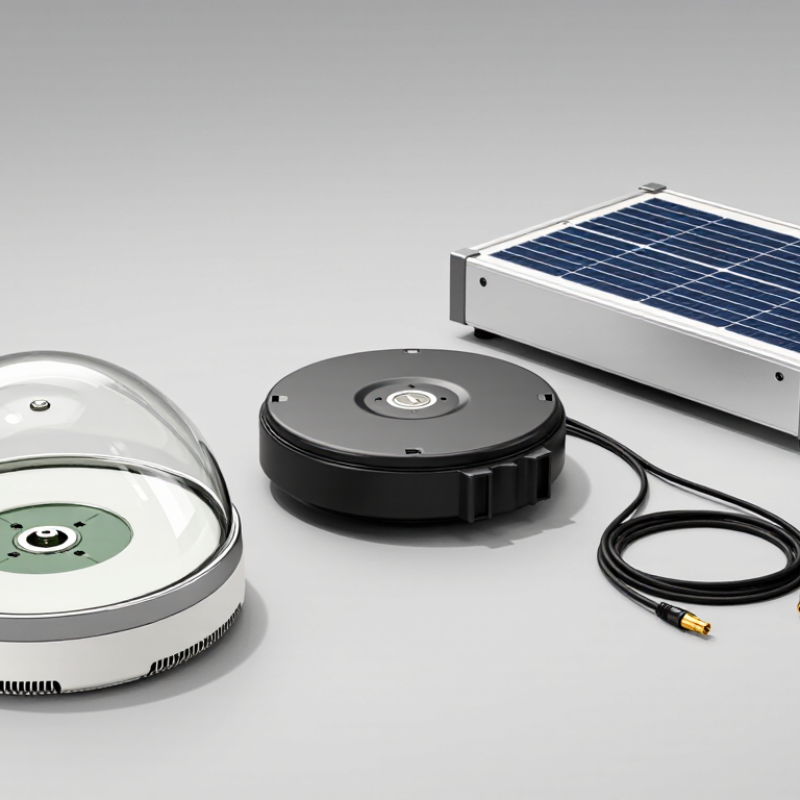
A pyranometer measures solar irradiance: the solar power reaching a surface per unit area, commonly reported in watts per square metre. Mounted level, it records global horizontal irradiance, combining direct sunlight and diffuse light scattered by clouds, dust, and the atmosphere. A bright, clear noon can produce a sharp rise; a passing cloud may make the reading dip within seconds.
Two common sensor types are thermopile and photovoltaic pyranometers. Thermopile instruments use a darkened sensing surface and temperature differences to detect incoming radiation. They generally cover a broad solar spectrum and suit long-term monitoring, though they may respond more slowly. Photovoltaic models convert light into an electrical signal. They can react quickly and work well for many field applications, but their readings may be more affected by the light’s spectrum and sensor temperature.
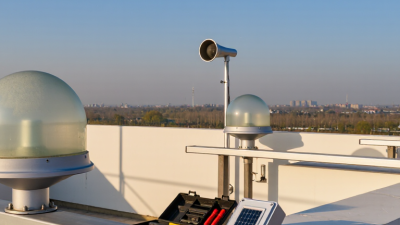
Details matter. A tilted sensor measures radiation on its own plane, not horizontal irradiance, so mounting angle should match the question being studied. Keep the glass dome clean, check that the instrument is level, and record maintenance alongside the data. Even careful measurements have limits. Calibration, shading, and local reflections can quietly distort a record; clean-looking numbers are not always accurate.
What Are the Top Types of Pyranometers to Buy? — Pyranometer Basics: What These Instruments Measure
| Type |
How It Measures Solar Irradiance |
Typical Spectral Response |
Main Advantages |
Limitations |
Best Suited For |
What to Check Before Buying |
| Thermopile pyranometer |
Absorbs incoming radiation at a blackened detector and measures the resulting temperature difference. |
Broadband; commonly around 285–2,800 nm, depending on the instrument. |
Measures a broad portion of solar radiation and is suitable for long-term outdoor monitoring and research. |
Usually responds more slowly than photodiode instruments. Performance can depend on leveling, maintenance, and calibration. |
Weather stations, solar-resource assessment, scientific monitoring, and applications where broadband measurements are important. |
Check the stated performance class, calibration traceability, response time, operating temperature range, and whether a ventilation or heating unit is needed. |
| Silicon photodiode pyranometer |
Converts light within the photodiode’s sensitivity range into an electrical signal. |
Narrower than a thermopile sensor; typically about 400–1,100 nm. |
Fast response, compact size, and often a practical option for basic irradiance monitoring. |
Does not measure the full solar spectrum. Readings can vary with sunlight spectrum, angle of incidence, and temperature. |
General outdoor monitoring, educational use, and applications where fast response or a compact sensor is useful. |
Review spectral and angular response, temperature compensation, calibration method, and suitability for the intended sunlight conditions. |
| Photovoltaic reference cell |
Uses a solar cell to generate an electrical signal related to irradiance; some units also measure cell temperature. |
Primarily sensitive to the cell’s response band, commonly in the visible and near-infrared region. |
Can provide measurements relevant to photovoltaic-system operation and respond quickly to changing sunlight. |
Its response is shaped by the cell technology and is not equivalent to a broadband measurement of total solar irradiance. |
PV module testing, system monitoring, and comparisons intended to reflect the response of a solar-cell technology. |
Check the cell technology, calibration conditions, temperature measurement, mounting orientation, and whether the intended use requires broadband irradiance instead. |
Buying note: A pyranometer measures solar irradiance, usually reported in watts per square metre (W/m²). Specifications vary between models, so compare calibration, accuracy, spectral and directional response, environmental protection, and maintenance requirements for your specific application.
Thermopile Pyranometers for Accurate Solar Irradiance Measurement
Thermopile pyranometers are a strong choice when accurate solar irradiance measurement matters. They measure broadband radiation by detecting the temperature difference across a thermopile sensor. This design responds across a wide solar spectrum, making it useful for photovoltaic testing, meteorological stations, and research installations.
A reliable instrument needs more than a sensitive sensor. Look for a documented calibration history, low thermal offset, stable cosine response, and suitable ISO 9060 performance classification. A well-designed glass dome helps protect the sensor while maintaining consistent light transmission. During field work, I have seen small leveling errors create misleading readings. Keep the mounting surface flat. Check the bubble level often.
Maintenance is practical, not optional. Dust, condensation, bird marks, and cable damage can distort daily values. Clean the dome with appropriate materials and inspect the desiccant when humidity is a concern. Connect the pyranometer to a compatible data logger, then verify signal units before recording long-term data. Some systems appear accurate at first but drift under changing temperatures. That deserves attention.
No sensor is perfect. Even a high-quality thermopile pyranometer can produce uncertain results if shading, tilt, ventilation, or calibration intervals are ignored. Comparing readings with a nearby reference sensor can reveal unexpected differences. I would also leave room for review, because installation habits often influence data more than buyers expect.
Photodiode Pyranometers for Compact, Cost-Effective Monitoring
Photodiode pyranometers offer a compact, cost-effective way to monitor solar irradiance. Their semiconductor detector converts sunlight into an electrical signal quickly. This makes them useful for rooftop systems, agricultural trials, weather stations, and educational projects. Their small housing also simplifies installation where space is limited.
In field work, I have found that practical setup matters as much as sensor price. Mount the instrument on a level, unobstructed surface. Keep nearby rails, walls, and cables from casting shadows across the sensing area. Check the stated ISO 9060 classification, calibration interval, response time, and operating temperature range before buying. Photodiode models can have narrower spectral sensitivity than thermopile instruments. That limitation may affect measurements under cloudy skies or unusual light conditions. The compromise is easy to miss.
Tips: Clean the diffuser gently after dust storms or pollen-heavy periods. Record the cleaning date and compare readings with a nearby reference when possible. Inspect cable seals before wet weather arrives. A sensor that is affordable but poorly maintained can produce confident-looking, unreliable data. I would also avoid choosing solely by advertised accuracy. Installation quality, calibration records, and data logging stability often influence long-term results more than a small price difference. Use a protective enclosure for electronics, but never block the sensor’s field of view.
Reference-Grade and Secondary-Standard Pyranometers for Research
Choosing a pyranometer depends on measurement uncertainty, operating conditions, and available maintenance time. For research, reference-grade models are often the strongest choice. They provide excellent stability, low temperature sensitivity, and carefully controlled spectral and cosine responses. These features matter when comparing long-term solar radiation data across seasons or sites.
A secondary-standard pyranometer offers a practical balance between accuracy and cost. It suits meteorological stations, solar resource assessments, and laboratory experiments with moderate uncertainty requirements. Look for traceable calibration, a clear uncertainty statement, stable output, and documented response times. In the field, a level sensor, a clean glass dome, and reliable data logging can matter as much as the detector itself. Small installation errors create large surprises.
Tips: Mount the sensor on a rigid, unobstructed surface. Check leveling after storms. Clean the dome on a planned schedule. Compare readings with a reference instrument when possible. Do not trust a perfect-looking dataset blindly. Even a high-grade sensor can drift, and my own preference is to record maintenance notes beside every calibration result. This habit seems minor, but it often explains unusual midday values later. Consider ventilation in dusty or hot locations, although it can introduce extra power needs and another failure point.
How to Choose a Pyranometer for Your Application
Choosing a pyranometer starts with the question: what will the measurements support? For routine weather monitoring, a thermopile instrument can measure broadband solar irradiance across a wide range of conditions. It is often a good fit for long-term outdoor stations. A silicon photodiode model may respond faster and cost less, which can suit compact systems or relative comparisons. However, its spectral response is narrower. Readings may not match sunlight measurements from a thermopile sensor.
Check the required accuracy, response time, and operating environment before buying. For photovoltaic performance testing, compare the sensor’s spectral range and calibration details with the relevant measurement procedure. For a research station, low measurement uncertainty and stable calibration may matter more than purchase price. Look at the installation too. A rooftop sensor needs a clear sky view, a level mounting surface, and regular cleaning. Dust, bird residue, and nearby shadows can distort readings. Small details matter.
Also consider temperature range, data-logger compatibility, and maintenance access. A weather-resistant housing is useful, but it does not eliminate calibration checks. Ask how calibration is documented and how often the sensor should be returned or compared against a reference. Not always obvious. The most expensive type is not automatically the best choice. Match the instrument to the measurement goal, then leave room to review your assumptions after collecting real field data.
What Are the Top Types of Pyranometers to Buy?
Compare the approximate spectral response ranges of two common pyranometer technologies. Thermopile instruments generally cover a broader portion of the solar spectrum, while silicon photodiode instruments typically cover a narrower range and are often used where compact size and fast response are priorities.
Typical approximate ranges: thermopile, 285–2800 nm; silicon photodiode, 400–1100 nm. Actual response varies by instrument. Choose a pyranometer based on the measurement task, required accuracy, response time, operating environment, and applicable ISO 9060 classification.