How to Choose the Right Temperature Probe Sensor for Your Needs?
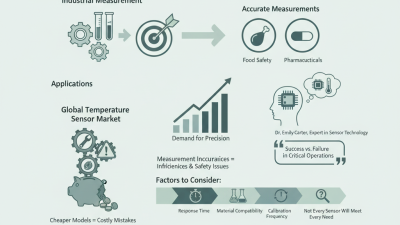
Choosing the right temperature probe sensor is crucial for various industries, from food safety to healthcare. According to a recent report by Market Research Future, the global temperature sensor market is expected to surpass $5 billion by 2025 due to rising demand. As experts like Dr. Emily Chen, a leading authority in sensor technology, state, "The accuracy of a temperature probe sensor can significantly impact operational efficiency."
Temperature probe sensors come in different types, including thermocouples, RTDs, and infrared sensors. These variations cater to specific needs across different applications. Matching the right sensor type to your requirements ensures reliable measurements. Many businesses still struggle to select the most suitable option. They often overlook essential specifications, leading to inaccurate readings.
Temperature accuracy and response time are critical factors. Choosing a sensor without assessing these elements can lead to costly errors. Many companies have experienced operational setbacks due to improper sensor selection. Thus, it becomes imperative to engage industry specialists when making these decisions. It's evident that not all temperature probe sensors are created equal. Making an informed choice is essential for success.
Types of Temperature Probe Sensors and Their Applications
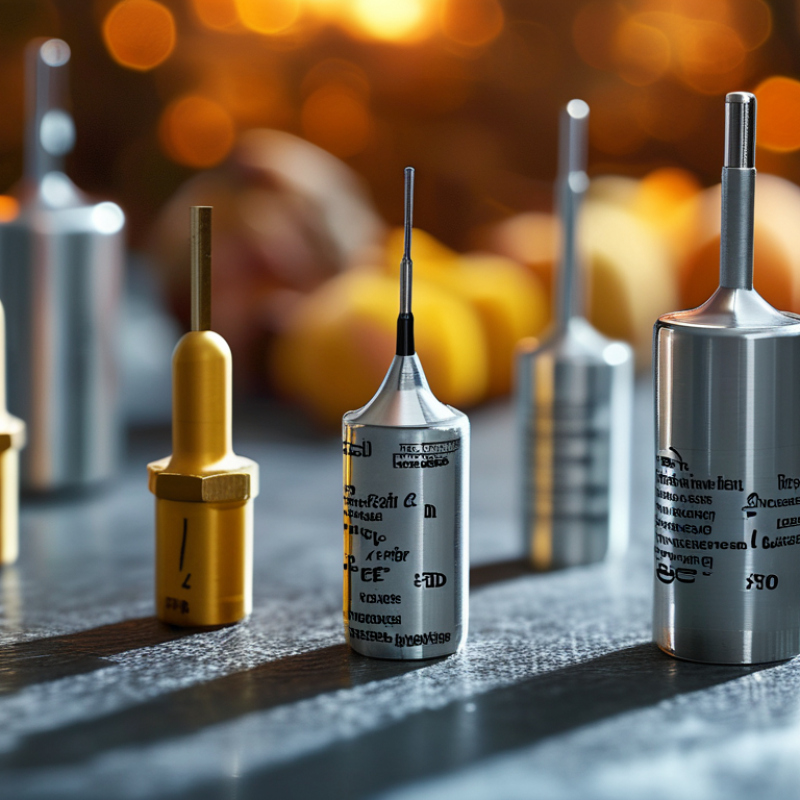
When selecting temperature probe sensors, understanding their types and applications is crucial. Thermocouples, for instance, are popular for their wide temperature range and fast response. They are available in different types, like Type K and J, catering to various industrial needs. According to a recent market report, thermocouple sensors dominate approximately 40% of the temperature sensor market due to their versatility and cost-effectiveness.
RTDs, or Resistance Temperature Detectors, are another reliable choice. They provide high accuracy and stability, making them ideal for precision applications. Reports indicate that RTDs have a market share of around 25%, particularly in the food and pharmaceutical industries. However, they tend to be more expensive and less durable than thermocouples. Understanding the specific requirements of your application, such as the temperature range and the environment, is essential for making an informed choice.
Infrared sensors are gaining traction, especially in non-contact applications. They measure temperature from a distance, which is vital in scenarios where traditional probes may not be suitable. Industries like electronics and automotive utilize this technology. While they offer a fast reading, their calibration can sometimes be less reliable, potentially leading to inaccurate results if not monitored properly. Balancing the benefits and limitations of each type ensures that you choose a temperature probe sensor tailored to your operational needs.
Factors to Consider When Selecting a Temperature Probe Sensor
When selecting a temperature probe sensor, consider the environment where it will be used. Different sensors operate optimally under varying conditions. For instance, some sensors excel in extreme temperatures while others function well in moderate climates. Pay close attention to the operating range specified in the product specifications.
Another vital aspect is the sensor's response time. Depending on your application, you may need a probe that reacts quickly to temperature changes. A faster response can be crucial for sensitive processes, such as those in food safety or laboratory settings. Conversely, in less critical situations, a slower response may suffice. Analyzing your specific needs can help guide your decision.
Material and construction of the probe also matter. Durable materials can withstand harsh conditions, while more delicate sensors may be easier to use in controlled settings. Conducting research on various types can reveal which materials are best suited for your purposes. It's essential to reflect on how often you'll use the sensor and under what circumstances. This careful consideration will lead to a more informed choice.
How to Choose the Right Temperature Probe Sensor for Your Needs?
| Feature |
Description |
Considerations |
| Temperature Range |
The minimum and maximum temperatures the probe can measure. |
Ensure the probe's range meets your application's requirements. |
| Accuracy |
The degree to which the probe's measurement aligns with the true temperature. |
Higher accuracy is essential for critical applications. |
| Response Time |
The time taken for the sensor to reach 95% of the final temperature value. |
Consider how quickly you need temperature readings. |
| Type of Probe |
Different probes include thermocouples, RTDs, thermistors, etc. |
Select based on the application type and environment. |
| Environmental Resistance |
Resistance to elements like moisture, dust, or chemicals. |
Choose sensors suitable for harsh environments if necessary. |
| Calibration |
Whether the probe can be calibrated and how often. |
Regular calibration may be required for accuracy. |
| Cost |
The price of the sensor. |
Balance cost with required features and quality. |
Understanding Accuracy and Response Time in Temperature Probes
When choosing a temperature probe, accuracy and response time are critical factors. Accurate measurements ensure reliable data, especially in sensitive environments like laboratories or food safety monitoring. A probe with a high degree of accuracy, often specified in degrees Celsius or Fahrenheit, is vital. For instance, a deviation of just a degree can significantly impact results in scientific experiments. Users should look for specifications that outline the probe's accuracy, as this reflects its ability to deliver trustworthy readings.
Response time is equally important, as it indicates how quickly the probe can detect temperature changes. Faster response times are crucial in dynamic environments where temperatures fluctuate rapidly. If you’re monitoring a slow-cooking process, a moderate response time might suffice. However, for rapid changes, choosing a probe that responds in seconds is essential.
While many probes perform adequately, there can be inconsistencies in real-world applications. Factors such as ambient temperature and material properties can affect results. Users should not overlook these variables when selecting their tools. Conducting tests under conditions similar to your application will help identify the best choice for your specific needs. The nuances of temperature sensitivity deserve attention to avoid potential inaccuracies.
Material Compatibility and Environmental Considerations for Probes
Choosing the right temperature probe sensor involves understanding material compatibility. Different environments require different probe materials. For example,
stainless steel is commonly used for its durability and corrosion resistance. However, it may not be suitable for all chemical environments. Some harsh substances can still cause degradation. Using incompatible materials can lead to inaccurate readings or probe failure.
Environmental considerations are just as critical. High humidity levels can affect sensor performance. A probe designed for dry environments may not provide reliable data in damp settings. Similarly, extreme temperatures can impact sensor accuracy. While many probes can handle a wide range of temperatures, consistent exposure to the extremes can lead to reduced lifespan.
It’s important to reflect on specific application needs. If high precision is essential, choosing a probe with the appropriate tolerances is necessary. Furthermore, consider how often the probe will be exposed to varying conditions. Regular inspections can prevent unexpected failures and maintain reliability over time. Making these thoughtful choices ensures the sensor will perform optimally for your unique circumstances.
How to Maintain and Calibrate Your Temperature Probe Sensor
Maintaining and calibrating your temperature probe sensor is crucial for accurate measurements. Regular monitoring ensures precision and reliability, which are vital in many industries. A report from the National Institute of Standards and Technology states that calibration can drift over time due to environmental factors and usage. This drift can lead to significant errors in temperature readings.
Routine cleaning is essential. Dust and contaminants can affect sensor performance. Use a soft, lint-free cloth and appropriate cleaning agents to avoid damage. After cleaning, allow the sensor to dry completely before use. Calibration should occur at least annually or more frequently if used in critical applications. Consider utilizing a calibration bath to provide consistent temperature conditions.
Recording calibration data can be insightful. It helps track changes and informs when re-calibration might be necessary. Industry experts suggest performing checks when temperatures fluctuate significantly. Identifying patterns can offer valuable insights into the operational effectiveness of your sensor.
Proper maintenance extends the life of your temperature probe sensor. Regular checks can uncover issues early. Neglecting maintenance might lead to compromised data accuracy and unexpected downtime. Always handle sensors carefully to avoid physical damage and ensure long-term performance. Being proactive with care pays off in reliability and efficiency.