What is a Temperature Probe Sensor and How Does it Work?
In the world of temperature monitoring, the temperature probe sensor plays a crucial role. Experts like Dr. Emily Hart, a leading specialist in industrial sensors, emphasize its importance. "Temperature probe sensors provide precision that is essential for safety and efficiency," she says. This insight reflects the sensor's impact.
Temperature probe sensors measure heat across diverse applications. From food safety to industrial processes, their reliability is vital. These sensors work by converting thermal energy into electrical signals. They have various types, including thermocouples and thermistors, each designed for specific functions.
However, the technology isn't perfect. Calibration errors and environmental factors can affect accuracy. Users must understand these limitations. Knowledge of how temperature probe sensors work helps mitigate potential issues. This understanding leads to better application and troubleshooting. In an industry where precision matters, mastering temperature probe sensors is essential.
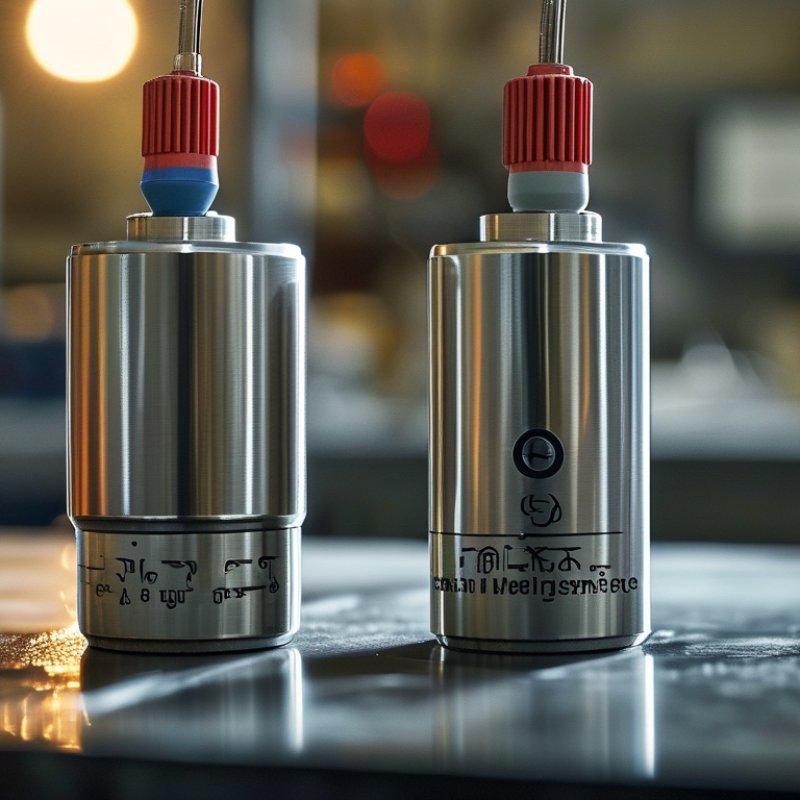
Definition and Functionality of Temperature Probe Sensors
Temperature probe sensors play a vital role in various industries. They are essential for measuring temperature accurately in different environments. These sensors consist of a temperature-sensitive element, which often changes its resistance or voltage with temperature variations. The readings can be displayed on a digital monitor or sent to a control system for analysis.
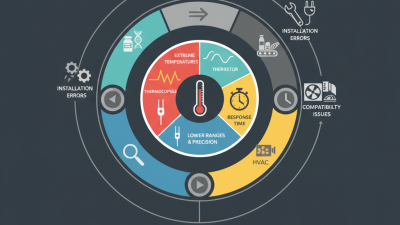
In terms of functionality, temperature probe sensors operate on basic principles of thermodynamics. Common types include thermocouples, RTDs, and thermistors. Thermocouples respond quickly to temperature changes, making them ideal for industrial applications. RTDs are known for higher accuracy and stability. Thermistors are more sensitive at lower temperatures, suited for medical devices. Each type has its advantages and potential drawbacks, influencing their applicability in specific scenarios.
Understanding these sensors requires expertise. Factors like calibration and installation impact performance. An improperly installed sensor may yield incorrect readings, leading to significant consequences in critical applications. It’s crucial to consider environmental conditions when selecting a sensor. For example, moisture may affect certain types more than others. Therefore, selecting the right probe and ensuring it is installed correctly is essential.
Types of Temperature Probe Sensors and Their Applications
Temperature probe sensors come in various types, each designed for specific applications. For instance, thermocouples are robust sensors that measure temperature across a broad range. They are widely used in industrial settings due to their durability. On the other hand, resistance temperature detectors (RTDs) offer high accuracy for more sensitive processes, such as in laboratories. However, RTDs can be more expensive and are not as rugged as thermocouples.
Infrared temperature sensors provide a non-contact method for measurement. These sensors are perfect for monitoring surface temperatures without needing to touch the object. This feature is valuable in food safety and quality control. While infrared sensors are quick and efficient, they can be affected by environmental conditions, requiring careful calibration.
Thermistors are another option, often used in consumer electronics for temperature monitoring. Their fast response times make them suitable for applications like HVAC systems. However, they can have limited range and non-linearity, which may lead to inaccuracies if not handled properly. Each sensor type has distinct advantages and drawbacks, making it essential to select the right one for the intended application.
How Temperature Probe Sensors Measure Temperature: Principles and Methods
Temperature probe sensors are essential tools in measuring temperature accurately across various applications. They operate on different principles to ensure precision. Common types include thermocouples, thermistors, and infrared sensors. Each type works differently to reflect temperature changes effectively. For instance, a thermocouple generates a voltage that varies with temperature, while a thermistor changes its resistance based on thermal variations.
For practical applications, understanding the environment is key. Many sensors require specific conditions to function optimally. Proper installation is crucial too. Misplacement can lead to inaccurate readings. Regular calibration helps maintain reliability. If a sensor consistently provides off readings, it might be a sign of wear or environmental change affecting performance.
Tips for using these sensors include regularly checking connections and avoiding extreme environments unless specified. Sensors can age over time, prompting the need for replacement. Be aware that not all sensors react to rapid temperature changes instantly. Some might need longer response times. Taking the time to understand these nuances helps improve measurement accuracy and enhances the overall performance of temperature monitoring systems.
Key Specifications and Performance Metrics of Temperature Probe Sensors
Temperature probe sensors are vital in various industries, providing accurate measurements for different applications. Their key specifications influence performance metrics such as response time, accuracy, and sensitivity. According to a recent report from the International Journal of Thermal Science, optimal response times for temperature probes can range from under a second to several minutes, depending on the design and application.
Accuracy is a fundamental performance metric. High-quality temperature probes typically claim an accuracy of within 0.1°C to 0.5°C. However, factors like sensor placement and environmental conditions can impact this accuracy. In critical processes, such as food safety or pharmaceutical production, even minor inaccuracies can have significant repercussions. Calibration practices also play a crucial role in maintaining precision.
Another important specification is the range of temperature measurements. Many sensors can operate across a wide range, from cryogenic temperatures to several hundred degrees Celsius. This versatility makes them suitable for applications in both extremes of temperature. However, users must be aware of the limitations, as exceeding the specified range can lead to sensor failure. Understanding these specifications is essential for ensuring proper sensor selection and enhancing reliability in practical applications.
What is a Temperature Probe Sensor and How Does it Work? - Key Specifications and Performance Metrics of Temperature Probe Sensors
| Parameter |
Specification |
Performance Metric |
| Temperature Range |
-50°C to 150°C |
Accuracy ±0.5°C |
| Response Time |
< 1 second |
Fast measurement |
| Sensor Type |
Thermocouple / Thermistor |
Wide application |
| Output Signal |
Analog / Digital |
Versatile integration |
| Material |
Stainless Steel |
Durable and corrosion-resistant |
| Calibration |
Factory calibrated |
Stable performance |
| Size |
5mm Diameter |
Compact design |
| Power Supply |
5V - 12V |
Low power consumption |
Benefits and Limitations of Using Temperature Probe Sensors in Industry
Temperature probe sensors are vital tools in various industries. They measure temperature accurately in real-time, making them indispensable for processes requiring precise thermal control. Industries such as food processing, pharmaceuticals, and manufacturing greatly benefit from these sensors. They ensure product safety and quality. However, the use of temperature probe sensors comes with both advantages and limitations.
One major benefit is their accuracy. These sensors can provide quick readings, reducing the risk of errors in temperature-sensitive processes. Their reliability can enhance efficiency and minimize waste. Yet, they are not infallible. Calibration is essential for maintaining accuracy over time. If not regularly checked, readings can drift, leading to potential issues. Additionally, environmental factors can affect their performance. Extreme conditions, such as humidity or dust, might compromise the sensors' reliability.
While temperature probe sensors are beneficial, it's crucial to consider their limitations. Initial installation costs can be high. Ongoing maintenance is necessary, which adds to operational costs. Training staff to use and maintain these sensors is vital for optimal performance. Balancing these factors against the potential for improved efficiency can be challenging. Each organization must assess whether the benefits outweigh the drawbacks for their specific applications.