Top 5 Solar Radiation Sensors: Maximize Your Solar Energy Efficiency
In an era where sustainable energy solutions are more critical than ever, optimizing solar energy efficiency has become a vital pursuit for both residential and commercial applications. At the heart of this optimization lies the solar radiation sensor, a pivotal device that measures the sun's intensity and helps in harnessing solar energy effectively. By accurately gauging solar radiation levels, these sensors enable users to make informed decisions regarding their energy consumption, system performance, and maintenance schedules.
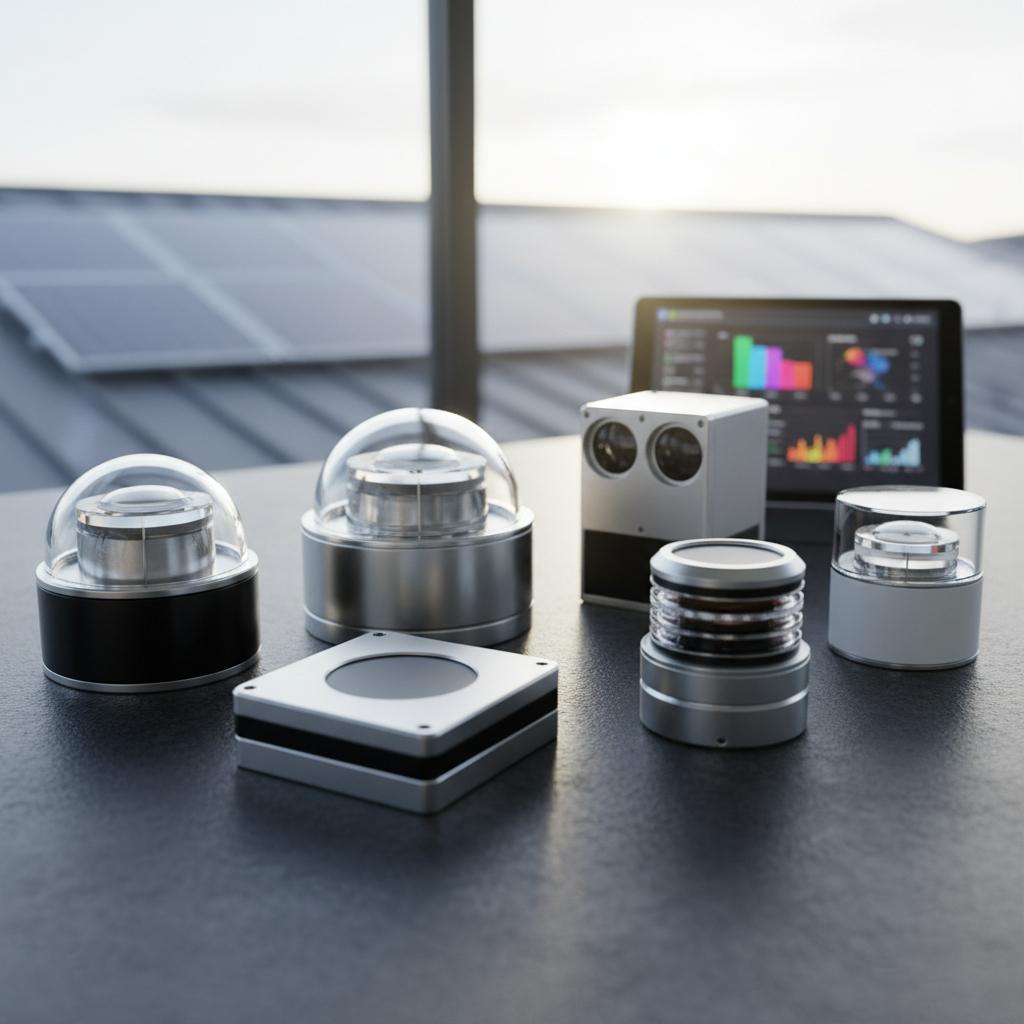
In this exploration of the top 5 solar radiation sensors, we will delve into the characteristics that elevate these devices in the market. From cutting-edge technology and precision measurement capabilities to user-friendly interfaces and durability, each sensor demonstrates unique advantages that cater to various needs. By understanding the best options available, users can enhance their solar energy systems, ensuring maximum efficiency and, ultimately, a greater return on investment. Whether you are a solar enthusiast or a professional installer, recognizing the value of a high-quality solar radiation sensor is essential for achieving optimal results in solar power generation.
Understanding Solar Radiation Sensors and Their Importance
Solar radiation sensors are crucial tools in optimizing solar energy systems by accurately measuring the amount of sunlight that reaches a given area. These sensors play a vital role in determining the efficiency of solar panels, as they provide data that can significantly impact energy generation. According to the National Renewable Energy Laboratory (NREL), efficient solar radiation assessment can increase energy output by up to 30% when the data is utilized for optimal positioning and angling of solar panels. This level of data precision is essential for both residential and commercial solar energy systems to maximize return on investment.
Additionally, the importance of solar radiation sensors extends beyond just efficiency; they also play a key role in climate studies. The World Meteorological Organization (WMO) emphasizes that solar radiation measurements contribute to understanding local and global radiation patterns, essential for climate modeling and renewable energy forecasting. With the global solar energy market projected to grow at a compound annual growth rate (CAGR) of 20.5% through 2025, the accurate readings provided by these sensors become more critical than ever. By integrating advanced solar radiation sensors, stakeholders can not only enhance their energy performance but also contribute valuable data to the broader goals of sustainability and environmental stewardship.
Top 5 Solar Radiation Sensors: Maximize Your Solar Energy Efficiency
| Sensor Type |
Measuring Range |
Accuracy |
Response Time |
Features |
Price Range |
| Pyranometer |
0-2000 W/m² |
±5% |
1 sec |
Temperature compensated, waterproof |
$300 - $1200 |
| Photovoltaic Sensor |
0-1000 W/m² |
±3% |
300 ms |
Lightweight, integrated data logger |
$150 - $600 |
| Radiometer |
0-5000 W/m² |
±2% |
0.5 sec |
High sensitivity, wide spectral range |
$500 - $2000 |
| Digital Solar Meter |
0-1500 W/m² |
±4% |
1 sec |
Compact design, LCD display |
$100 - $400 |
| Albedometer |
0-2000 W/m² |
±6% |
2 sec |
Dual sensors, multi-angle measurement |
$400 - $1500 |
Key Features to Look for in Solar Radiation Sensors
When selecting solar radiation sensors to maximize your solar energy efficiency, several key features should be taken into account. Accuracy is paramount; a high-quality sensor should provide reliable measurements of irradiance levels. According to the National Renewable Energy Laboratory (NREL), discrepancies in sensor readings can lead to errors in energy yield estimations of up to 20%. Therefore, choosing a sensor with a proven track record of precision is crucial for optimizing your solar energy production.
Additionally, durability and environmental resistance are essential characteristics for solar radiation sensors. These devices are often exposed to harsh weather conditions, requiring robust construction to ensure longevity. A report by the International Energy Agency (IEA) highlights that sensors with protective coatings and weatherproof designs can significantly reduce maintenance costs and enhance performance over time. Moreover, the ability to integrate with data logging systems and cloud-based platforms can provide advanced analytics and remote monitoring capabilities, facilitating better decision-making processes for solar energy management.
Top 5 Solar Radiation Sensors Reviewed
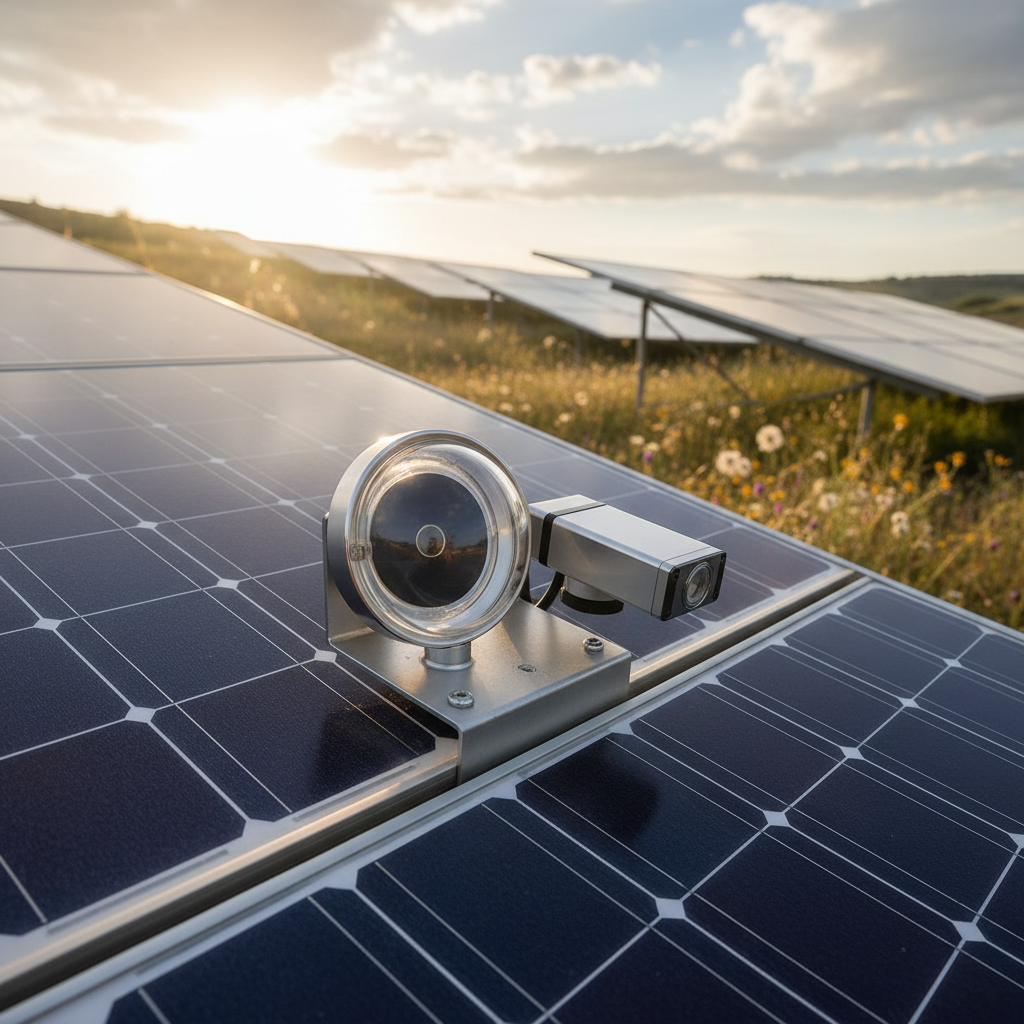
When it comes to maximizing solar energy efficiency, choosing the right solar radiation sensor is crucial. These sensors measure the intensity of solar radiation, helping users optimize solar panel placement and performance. A comprehensive review of top solar radiation sensors indicates that precision and durability are key factors to consider. According to the Solar Energy Industries Association (SEIA), homes equipped with effective solar monitoring can improve energy savings by 20% to 30%.
For optimal performance, consider investing in sensors that are equipped with advanced calibration features. Make sure the sensor you select adheres to international standards such as ISO 9060, which classifies solar radiometers according to their accuracy and reliability. Understanding different sensor types, like pyranometers and photodiodes, can help in making an informed decision that aligns with your specific energy needs.
**Tip:** Regular maintenance and calibration of your solar radiation sensor can enhance its accuracy over time. It's recommended to check the calibration at least once a year, as even slight deviations can impact performance measurements significantly. Additionally, always consider environmental factors such as shading and weather conditions that may affect readings, ensuring your data reflects true conditions for better decision-making in solar investments.
Top 5 Solar Radiation Sensors Efficiency Comparison
How to Install and Optimize Your Solar Radiation Sensor
Installing a solar radiation sensor is a critical step in maximizing your solar energy efficiency. To begin, choose a location that receives unobstructed sunlight for most of the day, ideally mounting the sensor on a roof or a tall pole. Ensure it is positioned at an angle that aligns with your geographic latitude to effectively capture solar radiation throughout the year. Proper alignment is essential; any significant shading from nearby trees or buildings can lead to inaccurate readings, diminishing the overall effectiveness of your solar energy system.
Once installed, the next step is to optimize your sensor. Regular calibration is important to maintain accuracy; follow the manufacturer’s guidelines for periodic checks and adjustments. Additionally, it's beneficial to integrate the sensor data with your solar energy management system, allowing for real-time adjustments based on sunlight fluctuations. Monitoring the data collected over time will help you understand patterns in solar radiation, enabling you to make informed decisions on energy generation and storage, ultimately contributing to greater energy efficiency.
Maximizing Solar Energy Efficiency with the Right Sensor
Maximizing solar energy efficiency begins with the right sensor technologies that accurately measure solar radiation levels. According to the Solar Energy Industries Association (SEIA), using high-quality solar radiation sensors can improve energy harvesting by up to 10%. This improvement is crucial, considering that even small enhancements in efficiency can lead to significant energy savings and increased return on investment for solar installations.
Modern solar radiation sensors come equipped with advanced features such as real-time data monitoring and precise spectral response capabilities, making them indispensable for optimizing solar panel performance. A report from the International Renewable Energy Agency (IRENA) highlights that integrating these sensors into solar energy systems can help professionals make informed decisions regarding panel positioning and tilt adjustments, ultimately maximizing sunlight exposure. By selecting top-tier sensors, users can align their solar operations with best practices that ensure greater effectiveness and sustainability.