Essential Tips for Choosing the Right Conductivity Sensor?
Choosing the right conductivity sensor is crucial for various applications. These sensors measure the electrical conductivity in liquids, helping researchers and engineers gather essential data. However, many factors come into play when selecting a suitable device.
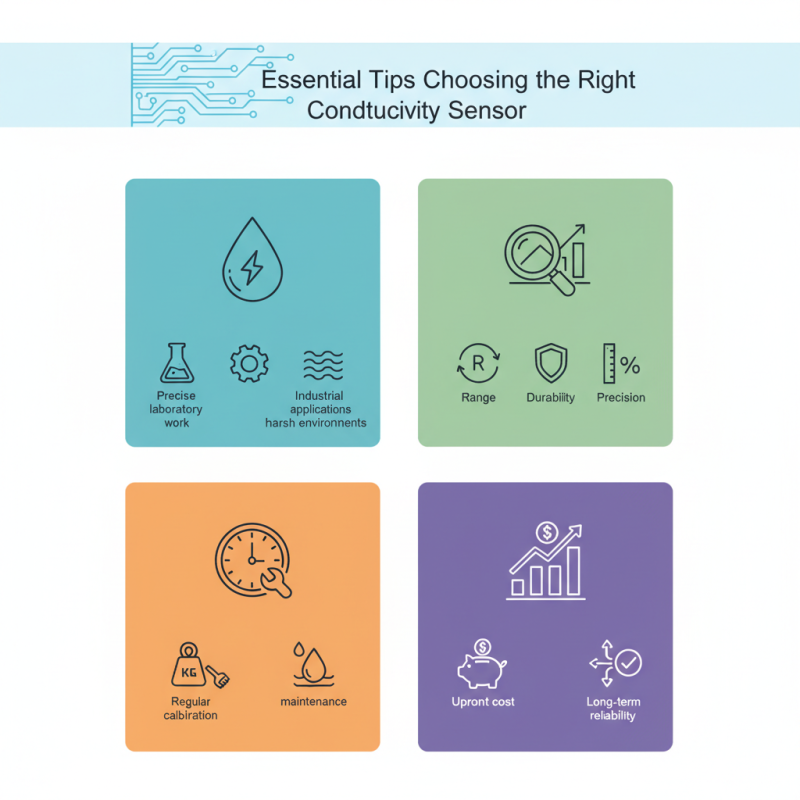
Understanding your specific needs is vital. Not all conductivity sensors are built equally. Some are better for precise laboratory work, while others withstand harsh environments. Recognizing your application allows for better decision-making. The precision, range, and durability of the conductivity sensor can significantly influence your results.
Moreover, the calibration and maintenance of the sensor should be considered. Regular calibration assures accurate readings over time. This need for ongoing attention can sometimes be overlooked. Investing in a quality conductivity sensor is not just about the upfront cost; it's about long-term reliability. A poor choice can lead to flawed data and costly errors down the line.
Understanding Conductivity: The Importance of Accurate Measurements
Accurate conductivity measurements are crucial for various industries, including water treatment, pharmaceuticals, and food processing. According to a report by the American Water Works Association, maintaining accurate conductivity levels can ensure water quality and compliance with safety standards. Even a minor deviation can lead to significant consequences.
Conductivity sensors help monitor ions in solutions, influencing chemical reactions. A study published in the Journal of Environmental Monitoring highlighted that a 5% error margin in conductivity readings could result in costly mistakes and compromised product safety. For industries where precision is essential, selecting the right sensor becomes vital.
Understanding how these sensors work is pivotal. Many factors impact readings, including temperature and sensor calibration. In some cases, users may overlook sensor maintenance, leading to inaccurate data. Reflecting on these aspects can improve overall measurement reliability. Utilizing industry standards and guidelines can enhance sensor accuracy, ensuring that measurements align closely with operational requirements.
Key Factors in Selecting Conductivity Sensors for Various Applications
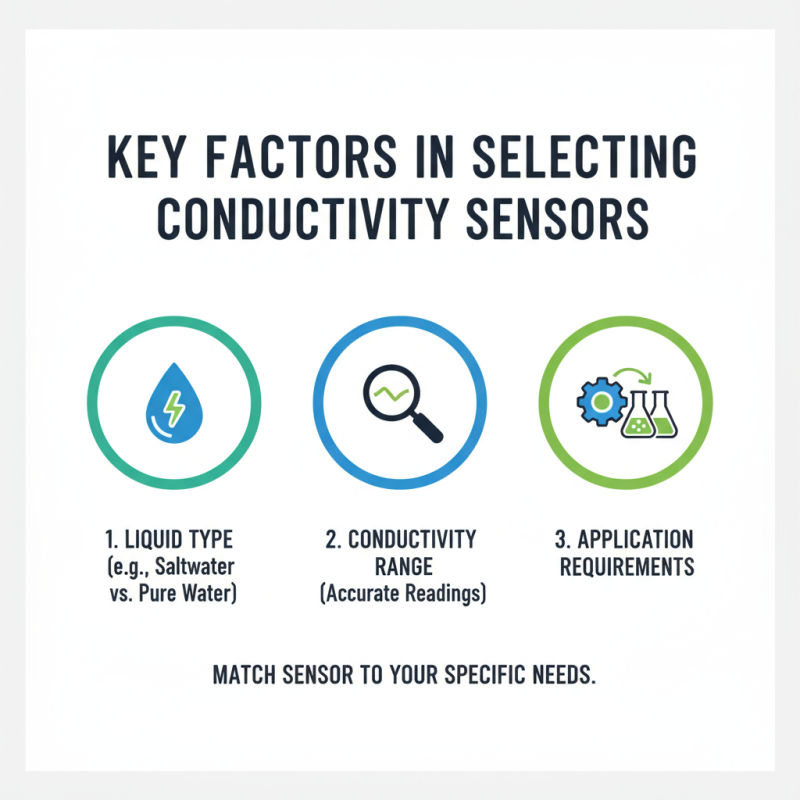
When selecting the right conductivity sensor, consider your specific application requirements. The type of liquid being measured is crucial. Different liquids have distinct conductive properties. For instance, saltwater has a higher conductivity than pure water. Knowing the expected range helps in choosing a sensor that offers accurate readings.
Temperature range is another important factor. Many sensors perform differently at varying temperatures. Ensure the sensor is rated for the conditions it will face. If your application has extreme temperatures, prioritize that specification. Additionally, consider the placement of the sensor. Will it be submerged, or exposed to air? This placement can affect performance and longevity.
Lastly, evaluate calibration and maintenance needs. Some sensors require regular calibration for accuracy. In contrast, others are more stable and require less attention. Assessing your team’s ability to maintain the device is essential. Unreliable sensors can lead to poor decisions in your process. Factor in these elements to make an informed choice that fits your needs.
Comparison of Different Types of Conductivity Sensors: Pros and Cons
When selecting a conductivity sensor, understanding the different types is critical. The most common types are contact and non-contact sensors. Contact sensors measure conductivity through direct contact with the solution. They are simple to use and typically offer accurate readings. However, they can be prone to fouling, affecting performance over time. Regular maintenance is essential for consistent results.
Non-contact sensors, on the other hand, rely on electromagnetic fields. They reduce the risk of contamination and require less frequent calibration. However, they can be more complex to set up and may have limitations in specific applications. In certain environments, these sensors can struggle to provide reliable data.
Different technologies have unique advantages and disadvantages. The choice often depends on specific use cases and user expertise. Users must weigh factors like accuracy, maintenance needs, and application environments. Reflecting on these aspects can help in making a more informed decision.
Calibration and Maintenance: Ensuring Longevity of Conductivity Sensors
When selecting a conductivity sensor, proper calibration and maintenance are crucial. This ensures that the sensor performs accurately over time. Regular calibration helps in accounting for any drift that may occur in sensor readings. It’s essential to use standard solutions that are specific to the range you'll be measuring.
Routine maintenance is often overlooked. Cleaning the sensor regularly can prevent fouling, which can lead to inaccuracies. Use appropriate cleaning solutions based on the sensor materials. Check the manufacturer's recommendations for cleaning frequencies. If you notice a discrepancy in readings, it may be time to recalibrate.
Tips for extending the longevity of your conductivity sensor include protecting it from extreme temperatures and avoiding exposure to strong chemicals. Storage conditions matter; keeping the sensor in a controlled environment prevents damage. Document all maintenance activities to track performance over time. Reflecting on these practices can help you avoid costly replacements.
Conductivity Sensor Performance Over Time
This bar chart illustrates the calibration performance of two conductivity sensors over the first eight months of the year. A lower percentage deviation indicates better calibration, which is critical for maintaining measurement accuracy and sensor longevity.
Industry Standards and Regulations Affecting Conductivity Sensor Selection
When selecting a conductivity sensor, understanding industry standards and regulations is crucial. Various sectors, especially water treatment and food processing, enforce strict compliance to ensure safety and efficiency. For instance, the American Society for Testing and Materials (ASTM) provides guidelines for sensor accuracy and reliability. Failing to adhere to these standards may lead to incorrect measurements that can compromise product quality.
Industry reports indicate that up to 30% of conductivity sensors do not meet the required specifications. This can result in inefficient processes and potential health hazards. Users must ensure that their chosen sensors align with these industry benchmarks. Additionally, the International Electrotechnical Commission (IEC) sets safety standards for electronic components. These standards help ensure that sensors operate reliably under various environmental conditions.
Regulations also dictate the need for documentation and validation. Many industries require regular recalibration and performance testing. Neglecting these aspects can lead to legal issues and product recalls. Thus, integrating compliance checks into your selection process is essential. A reflective approach can help minimize risks. Investing in quality sensors that meet established norms will ultimately safeguard user interests and enhance operational efficiency.