Essential Tips for Choosing Electrical Breakers for Your Needs?
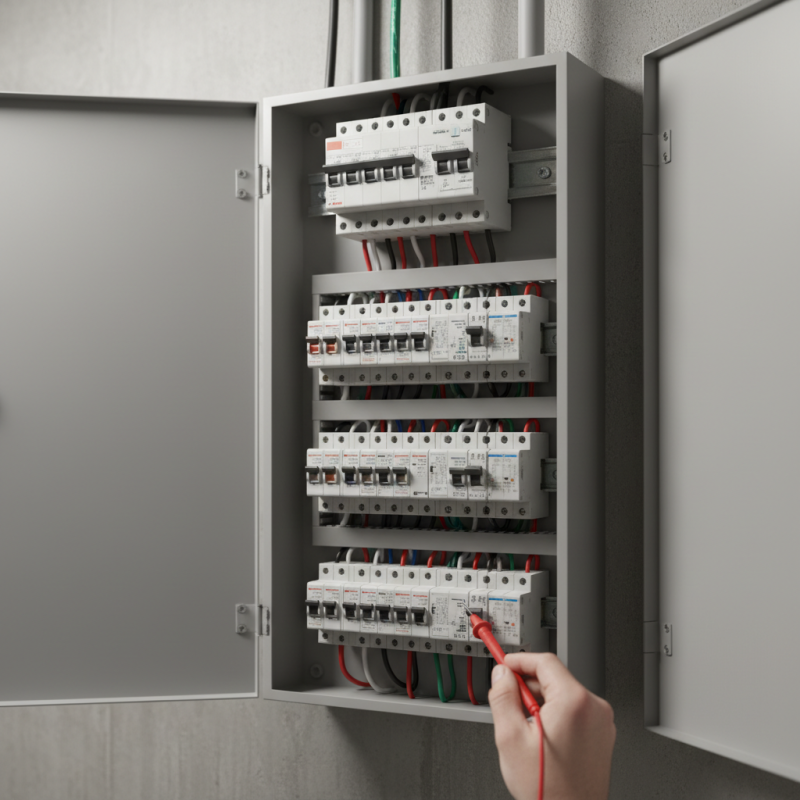
Choosing the right Electrical Breakers is crucial for safety and efficiency in your electrical system. These devices protect circuits from overloads and short circuits. Selecting the perfect breaker can feel overwhelming due to the wide variety available.
Understanding your needs is essential. Factors like voltage, amperage, and system type play a vital role. Each component impacts how your breakers perform. You may wonder if you are choosing properly. Reflecting on specific requirements can guide you.
Seeking expert insights can enhance your decision-making. Reliable resources, such as electrical professionals or trusted guides, can clarify confusion. Don’t hesitate to ask questions and gather information. Electrical Breakers are more than simple devices; they are key safety features. Knowing their importance can lead to better choices.
Understanding the Different Types of Electrical Breakers Available
When choosing electrical breakers, understanding their types is crucial. Circuit breakers primarily fall into two categories: standard and specialty. Standard breakers protect circuits from overloads and short circuits. They are essential for most residential and commercial applications. Specialty breakers, however, cater to unique needs. Ground Fault Circuit Interrupters (GFCI) prevent electric shock, while Arc Fault Circuit Interrupters (AFCI) reduce the risk of electrical fires. According to the National Fire Protection Association, improperly wired circuits cause approximately 30% of electrical fires in homes.
It's important to assess your specific requirements before selecting a breaker. Factors such as load capacity, voltage levels, and installation environments play a role in your decision. Recent industry reports indicate that selecting breakers rated for higher amperage may sometimes lead to inadequate protection. This oversight can leave your electrical system vulnerable. For instance, using a 20-amp breaker on a circuit needing only 15 amps can create risks.
Additionally, installation standards vary by region. Compliance with local codes is non-negotiable for safety. Research suggests that about 25% of electrical issues stem from improper installations. Seeking help from a qualified electrician can make a significant difference. Investing in the correct electrical breaker ensures safety and efficiency for your home or business in the long run.
Key Specifications to Consider When Selecting Electrical Breakers
When selecting electrical breakers, understanding key specifications is critical. Start with the amperage rating. This indicates the maximum current a breaker can handle. According to the National Fire Protection Association (NFPA), overloading is a common cause of electrical fires. Choosing the right amperage prevents this risk. For example, residential circuits typically require breakers rated between 15 and 20 amps, while larger appliances need higher ratings.
Next, consider the voltage rating. Breakers should match or exceed the voltage of the circuit they protect. Common residential voltages include 120V and 240V. Using a breaker with the appropriate voltage rating ensures it can handle the electrical load without tripping unnecessarily. It's also essential to select the right trip type. There are thermal and magnetic breakers; thermal breakers respond to overload while magnetic ones react to short circuits. Research shows that at least 14% of electrical accidents could have been prevented with proper breaker selection.
Finally, check the interrupting capacity. This specification indicates how much fault current a breaker can safely interrupt. A breaker with a higher interrupting capacity is crucial in areas with unstable electrical supply. Data from the Institute of Electrical and Electronics Engineers (IEEE) suggests that many installations fail to meet this standard. Therefore, conducting a thorough evaluation of these specifications is vital for safety and reliability.
Evaluating the Load Capacity: How to Match Breakers to Your Needs
When selecting electrical breakers, it's crucial to evaluate load capacity carefully. This ensures your breakers can handle the power demands of your appliances. Overloading a breaker can lead to risks like tripped circuits or even fires. Think about the total wattage of your devices. Multiply volts by amps to find your load capacity.
Consider diversity in your power needs. Not all appliances run simultaneously. You may not need a breaker that can handle full capacity all the time. Take time to assess your usage patterns. You might find that a breaker with slightly lower capacity suffices. Reflect on your historical power consumption data; it provides insights into the right choice.
Get input from a certified electrician if uncertain. Their expertise can prevent costly mistakes. They can recommend standards based on current codes. Trust their assessment because safety should always be a priority. Every choice impacts your home’s safety and functionality. Always weigh your options before deciding on breaker capacity.
Essential Tips for Choosing Electrical Breakers for Your Needs
| Breaker Type | Load Capacity (Amps) | Voltage Rating (Volts) | Application | Recommended Use |
| Single Pole Breaker | 15 | 120 | Lighting and Outlets | Residential circuits |
| Double Pole Breaker | 30 | 240 | Large Appliances | Electric range, water heaters |
| GFCI Breaker | 20 | 120 | Wet Locations | Bathrooms, Kitchens |
| AFCI Breaker | 20 | 120 | Bedroom Circuits | Fire prevention |
| Surge Protection Breaker | 20-50 | 120/240 | Whole House Protection | Home electronics |
Importance of Trip Curves and Ratings in Electrical Breaker Selection
When selecting electrical breakers, understanding trip curves and ratings is crucial. These components determine how a breaker responds to overloads and short circuits. Trip curves show the time a breaker takes to react under specific conditions. A faster trip can offer better protection in certain scenarios, while a slower trip may allow for temporary surges.
Choosing the right trip curve is not always straightforward. Factors like ambient temperature and circuit load impact performance. The breaker may not trip fast enough during critical moments. Evaluating your specific application is vital. Assess the potential risks, and consult expert resources if necessary. Analyzing past data on faults can guide your selection process.
Ratings, such as voltage and current, must align with your system specifications. Mismatched ratings can lead to equipment failure or safety hazards. It’s essential to prioritize reliability in your choices. Sometimes, it’s a trial-and-error process. Gathering feedback on breaker performance can help refine your decisions. Always question whether your selected breakers will withstand unexpected events.
Safety Standards and Regulations for Electrical Breakers Explained
When selecting electrical breakers, understanding safety standards is crucial. Over time, these standards have evolved to reduce risks. The National Electrical Code (NEC) governs installation practices, ensuring both safety and functionality. Compliance with these regulations is not optional; it’s necessary for any electrical setup.
Tip: Always check the breaker’s amperage rating. This determines how much current it can handle before tripping. It’s important to match the rating with your circuit needs. Underpowered breakers can trip often, disrupting your daily life. Overpowered options can cause electrical fires, presenting a serious hazard.
Another important aspect is the type of breaker needed. Standard versus GFCI breakers serve different purposes. GFCI breakers are essential for wet areas like kitchens and bathrooms, where shocks are more likely. Understanding the specific requirements for your spaces can prevent dangerous situations.
Each breaker must comply with local regulations, and researching these can be time-consuming. While you might feel overwhelmed, investing that time is key. Making informed choices protects both you and your home.