What is a Temperature Detector and How Does It Work?
A temperature detector is a crucial instrument in many industries. It plays a vital role in monitoring and maintaining temperature levels. Experts like Dr. Emily Carter, a leading technologist in the field, emphasize its importance: “Accurate temperature measurement is essential for safety and efficiency.”
Temperature detectors operate using various principles, such as thermocouples or infrared sensors. These devices convert temperature readings into measurable signals. As technology evolves, the accuracy and reliability of these instruments continue to improve. Yet, we must acknowledge the challenges in calibration and maintenance. Even a small error can lead to significant consequences in processes like food safety or chemical manufacturing.
The impact of temperature detectors extends beyond industrial use. They are vital in household appliances, healthcare setups, and environmental monitoring. As climate change becomes a pressing concern, the need for precise temperature measurement in various sectors increases. Understanding how a temperature detector works can help us appreciate its role in our daily lives and its broader implications.
What is a Temperature Detector?
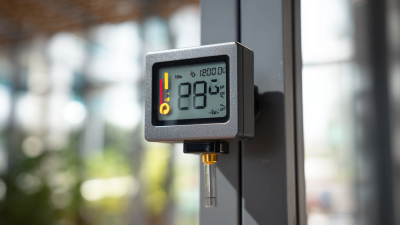
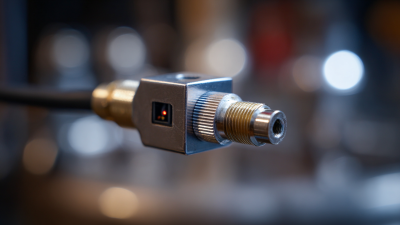
A temperature detector is a device designed to measure the temperature of an object or environment. These detectors come in various forms, including thermocouples, resistance temperature detectors (RTDs), and infrared sensors. Each type works based on different principles. For instance, thermocouples generate a voltage based on temperature differences. RTDs change their resistance according to temperature variations. Infrared sensors detect heat emitted from objects without direct contact.
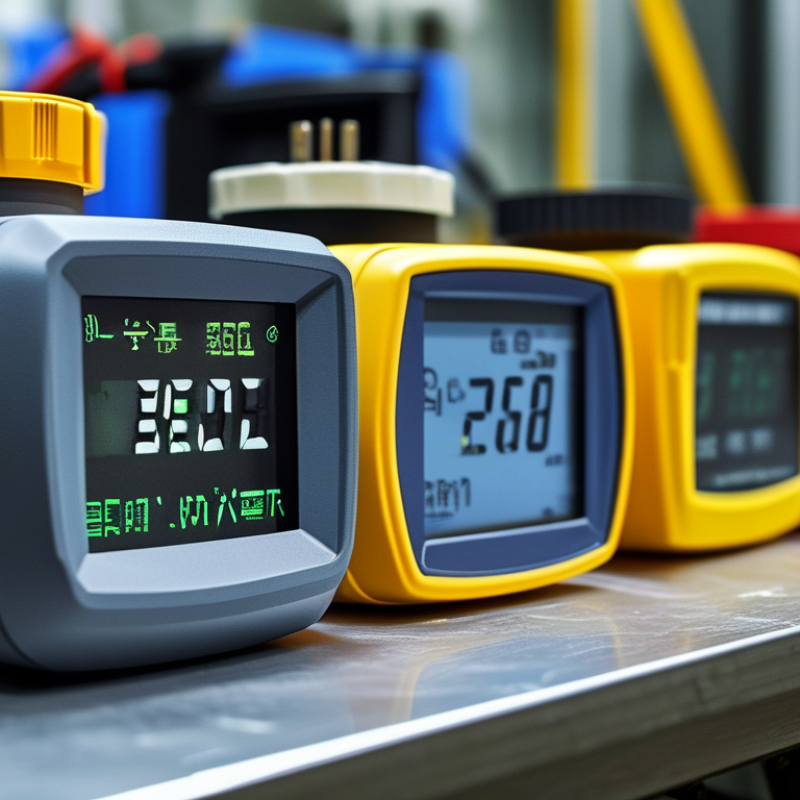
Temperature detectors are essential in many fields. In industrial environments, they monitor processes to ensure safety and efficiency. For instance, in a manufacturing setup, even a slight increase in temperature can indicate equipment malfunction. In healthcare, they help track patient temperatures accurately. However, the precision of these devices can sometimes falter due to calibration issues or environmental interferences. Regular maintenance and calibration checks are crucial to avoid misreadings.
Moreover, understanding how these detectors function can help users make better decisions. Awareness of their strengths and weaknesses allows for more effective applications. Whether in industrial settings or personal use, recognizing potential errors can lead to improvements. It's a reflection of using technology wisely, knowing that no device is perfect.
Types of Temperature Detectors and Their Applications
Temperature detectors are crucial in various industries, providing essential data for safety and efficiency. These devices vary in type and application. Thermocouples, for example, are widely used in industrial settings. They can measure a temperature range from -200°C to 2,000°C. Their reliability and simplicity make them popular in manufacturing processes.
Infrared temperature detectors are increasingly relevant in healthcare. They allow for quick, contactless measurements. According to a report by the American Society for Heating, Refrigerating and Air-Conditioning Engineers, these devices have seen a 30% rise in usage during health crises. This trend highlights the importance of rapid temperature monitoring.
Different applications require different types of sensors. Thermistors are crucial in household appliances and HVAC systems. Their sensitivity enhances energy efficiency, showing a notable reduction in operational costs. In contrast, bimetallic temperature detectors are commonly applied in commercial ovens. They provide accurate readings in environments where other detectors may fail.
Be mindful of your detector’s range. Each type operates best within specific limits. Locating the right sensor can save you time and resources. Regular calibration is essential. This ensures accuracy and reliability in data. Consider potential fluctuations in the environment that could affect readings.
How Temperature Detectors Function: A Technical Overview
Temperature detectors are crucial in various applications, ranging from industrial processes to home heating systems. These devices sense temperature changes and convert them into readable signals. Most commonly, temperature detectors utilize thermocouples, thermistors, or infrared sensors. Each type has its unique way of measuring heat.
Thermocouples function on the principle of the thermoelectric effect. They produce a voltage when exposed to temperature differences. This voltage correlates to temperature, allowing for accurate readings. Thermistors, on the other hand, are resistive devices that change resistance with temperature. They offer high precision over a limited range. Infrared sensors detect thermal radiation, making them ideal for non-contact applications. They identify heat emitted by objects, facilitating quick and safe measurements.
Understanding how these devices work is essential. Incorrect placements or environmental factors can affect their accuracy. Users often overlook the impact of surrounding elements. Calibration is necessary for reliable readings. Temperature detectors are vital tools, but they require careful handling to ensure consistent performance.
What is a Temperature Detector and How Does It Work? - How Temperature Detectors Function: A Technical Overview
| Type of Temperature Detector |
Principle of Operation |
Common Applications |
Temperature Range (°C) |
| Thermocouple |
Measures temperature based on the voltage difference created by two dissimilar metals joined at one end. |
Industrial processes, HVAC systems. |
-200 to 1250 |
| RTD (Resistance Temperature Detector) |
Measures temperature by correlating the resistance of the sensing element with temperature. |
Laboratory settings, food processing. |
-200 to 850 |
| Thermistor |
A type of resistor whose resistance varies significantly with temperature. |
Consumer electronics, medical devices. |
-50 to 150 |
| Infrared Sensor |
Detects thermal radiation emitted by an object to determine its temperature. |
Non-contact temperature measurement, safety systems. |
-50 to 600 |
| Bimetallic Temperature Sensor |
Utilizes two different metals that expand at different rates to produce mechanical movement proportional to temperature. |
Heating appliances, automotive applications. |
-30 to 500 |
Factors Influencing Temperature Detection Accuracy
Temperature detectors are essential devices that help measure and monitor temperature variations. Several factors can influence their accuracy. Understanding these factors is crucial for reliable temperature readings.
One significant factor is the calibration of the detector. Regular calibration ensures that the readings are as precise as possible. An uncalibrated device may provide misleading information. Environmental conditions also play a role. For instance, extreme humidity or rapid temperature fluctuations can affect the detector's performance. Proper placement is vital too. A detector situated in a drafty area may not reflect the actual temperature of its intended environment.
Another factor is the type of material used in the sensor. Different materials have unique thermal properties. Sensors made from conductive materials usually provide faster response times. Yet, they may be more susceptible to interference. It's important to consider the specific application when choosing a temperature detector. Sometimes, the need for accuracy can clash with cost-effectiveness. Balancing these factors requires careful thought and often involves trial and error. Individuals must remain vigilant and reflective when analyzing their temperature detection systems.
Temperature Detector Accuracy Factors
This bar chart illustrates the various factors influencing the accuracy of temperature detectors. The percentages represent the extent to which each factor contributes to detection inaccuracies.
Common Uses and Importance of Temperature Detectors in Various Industries
Temperature detectors play a crucial role in various industries. They monitor heat levels for safety and efficiency. In manufacturing, for instance, maintaining optimal temperatures protects equipment and ensures product quality. These detectors trigger alarms if temperatures exceed safe limits. This feature prevents costly breakdowns and potential hazards. Proper temperature management enhances productivity and ensures compliance with safety standards.
In healthcare, temperature detectors monitor patients’ vital signs. They provide critical data for diagnosing conditions. A sudden change in temperature can indicate infection or other health issues. Therefore, the accuracy of these devices is vital. Sensors must be reliable to ensure proper patient care. Any discrepancies in readings can lead to misdiagnosis, which is a concern.
Food processing also relies heavily on temperature detection. Keeping food at safe temperatures is essential. Undercooked or improperly stored food can cause foodborne illnesses. Detectors help maintain proper conditions during production and storage. However, one must regularly calibrate these devices to ensure accuracy. Inaccurate readings can lead to serious health risks. Hence, industries must prioritize using quality detection methods and ongoing maintenance.