What is a soil temperature probe and how does it work?
Soil temperature probes are vital tools in agriculture and environmental science. They measure the temperature of soil at various depths. Accurate measurements help farmers optimize planting and irrigation schedules. According to a report by the American Society of Agronomy, soil temperature affects seed germination and crop yields significantly.
Dr. John Smith, a leading expert in soil science, states, "Understanding soil temperature dynamics is essential for efficient farming." This highlights the importance of using advanced technologies like soil temperature probes. Although these tools can provide valuable insights, they are sometimes overlooked. Many farmers still rely on outdated methods.
Proper calibration and placement of these probes are crucial for accurate data. Some users report errors due to incorrect installation. Despite the occasional setbacks, soil temperature probes remain essential for modern agriculture. They enable better decision-making and enhance sustainability efforts.
What is a Soil Temperature Probe?
A soil temperature probe is an essential tool for farmers and gardeners. It measures the temperature of soil at different depths. Understanding soil temperature helps in planning planting schedules. Different plants thrive at specific temperatures. A probe provides accurate readings, allowing for better crop management.
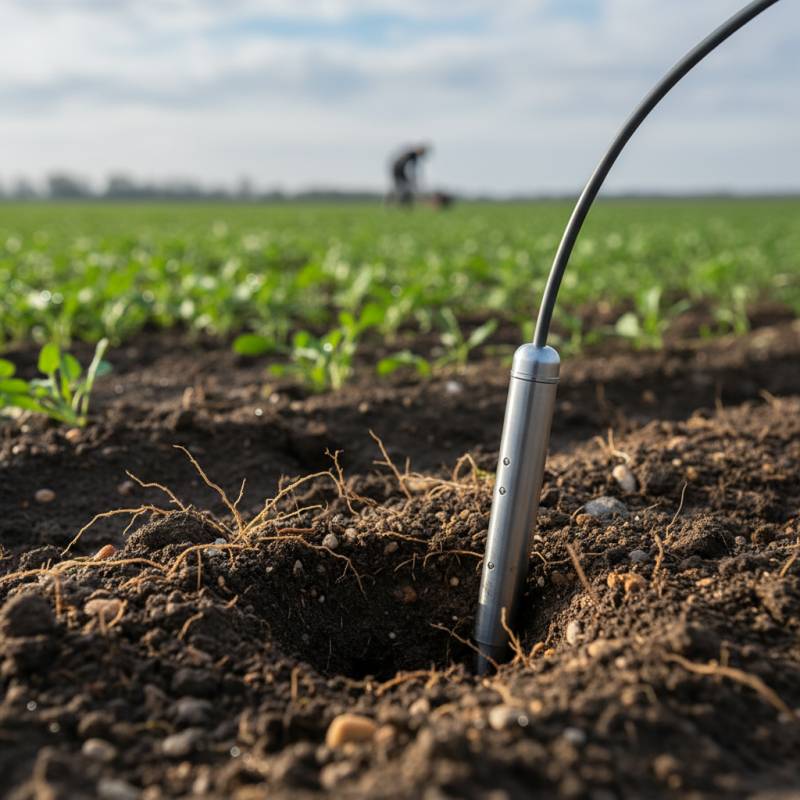
These probes are designed with metal tips for precise insertion into the ground. When inserted, they record the temperature in real time. Some models display readings on screens or connect to apps. This technology makes it easier to monitor temperature changes.
However, not all probes are equally effective. They may read temperatures differently when used in various soil types. Users should regularly verify their accuracy. Moreover, improper handling can lead to incorrect readings. Soil temperature can fluctuate, so regular monitoring is crucial. A reliable probe can significantly impact crop health.
Components of a Soil Temperature Probe
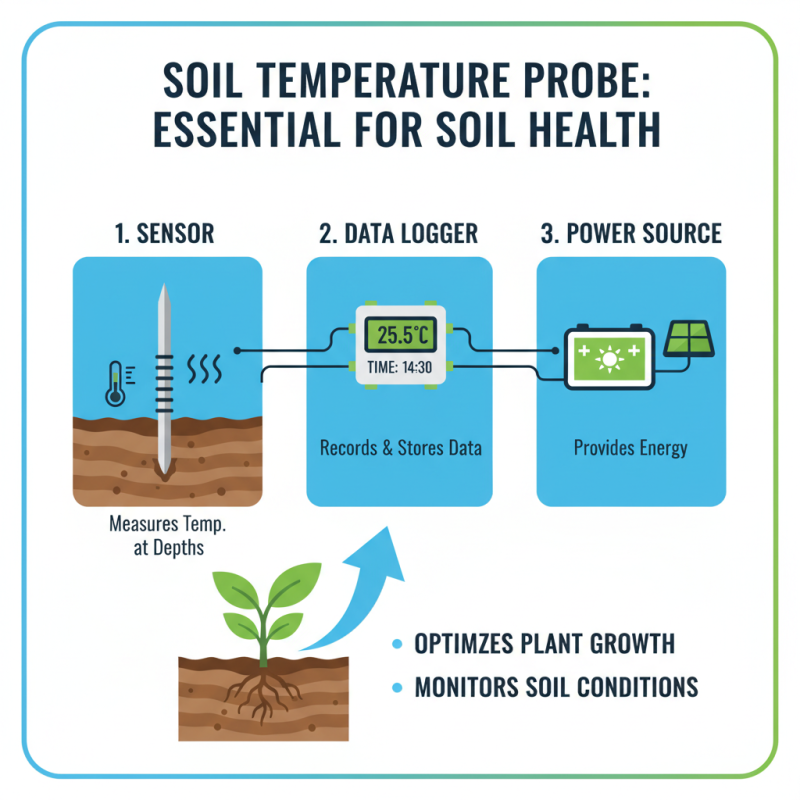
A soil temperature probe is an essential tool for studying soil conditions. It measures the temperature at various depths, which helps in understanding plant growth and soil health. The main components of a soil temperature probe include a sensor, a data logger, and a power source.
The sensor detects the soil temperature. It usually consists of thermocouples or thermistors. These devices react to temperature changes and provide accurate readings. Next is the data logger. It records and stores temperature data for analysis. Depending on the model, it can have different storage capacities. Finally, the power source might be batteries or solar panels, powering the system during measurements.
Tips: When using a soil temperature probe, ensure the sensor is placed correctly in the soil. Avoid rocks or air pockets. Consider calibrating your probe to get precise measurements. Regularly check the power source to prevent data loss during critical collections. Keeping the probe clean will also enhance accuracy and extend its life. Remember, results may vary based on soil type. Always observe the context of your readings.
How Soil Temperature Probes Measure Temperature
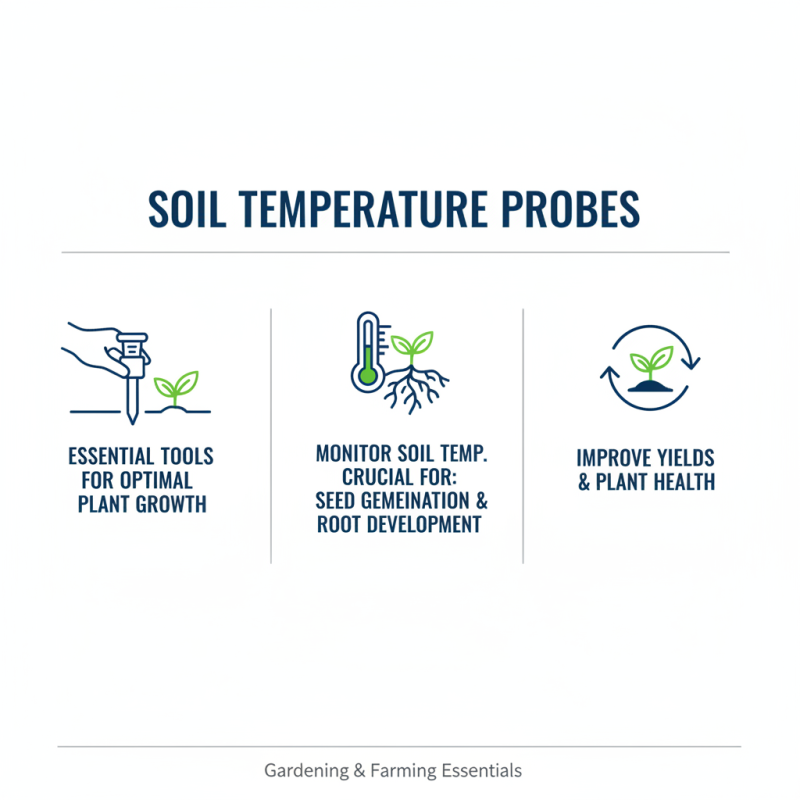
Soil temperature probes are essential tools for gardeners and farmers. They help monitor the temperature of the soil. This is crucial for plant growth. Understanding soil temperature is vital for seed germination and root development.
Soil temperature probes often feature a sensor that captures heat levels at various depths. Typically, they have a long metal rod. This rod is inserted into the soil, allowing for accurate readings. The sensor then sends these readings to a digital display. Some advanced models provide data over time, revealing temperature fluctuations. Such information can inform planting decisions.
However, using these probes isn't always straightforward. Users must ensure that the sensor is placed correctly. Soil conditions, such as moisture content, can affect readings. If the probe is too shallow, it may not provide the most accurate data. Misplaced probes can lead to poor gardening choices. Hence, attention to detail is essential.
Applications of Soil Temperature Probes in Agriculture
Soil temperature probes play a crucial role in modern agriculture. Farmers install these devices to monitor soil conditions closely. Accurate temperature readings help determine the best planting times. Different crops have varying temperature needs for optimal growth. For instance, some require warm soil, while others thrive in cooler conditions.
Using soil temperature data, farmers can make informed decisions. They can optimize irrigation schedules or adjust planting dates based on temperature trends. This precision leads to better yields. However, relying solely on technology isn't without its challenges. Malfunctions can lead to incorrect data, which may affect crop planning. Not all regions have easy access to this technology. Adoption can sometimes be slow, especially in less developed areas.
Still, the applications of soil temperature probes reflect their significance. Monitoring soil conditions can enhance nutrient management. Understanding temperature fluctuations can also help predict pest activity. Effective pest control can save crops and reduce losses. Despite some challenges, the benefits of soil temperature probes in agriculture are clear. Their integration into farming practices is essential for progress.
Benefits of Using Soil Temperature Probes for Research and Monitoring
Soil temperature probes are essential tools for researchers and farmers. They measure how warm or cold the soil is at various depths. This data is crucial for understanding plant growth and soil health. Accurate temperature readings help in making informed decisions about planting and irrigation.
Using soil temperature probes has many benefits. Researchers can track temperature changes over time. This helps them study the effects of climate change on agriculture. Farmers can adjust their practices based on real-time data. For example, knowing the soil temperature can inform when to plant specific crops.
There can be challenges too. Probes might not always provide consistent readings. Factors like moisture and soil type can affect accuracy. Users need to regularly calibrate and maintain the devices. This ensures reliable data for effective monitoring and research.