What is a Pyranometer and How is it Used in Solar Energy?
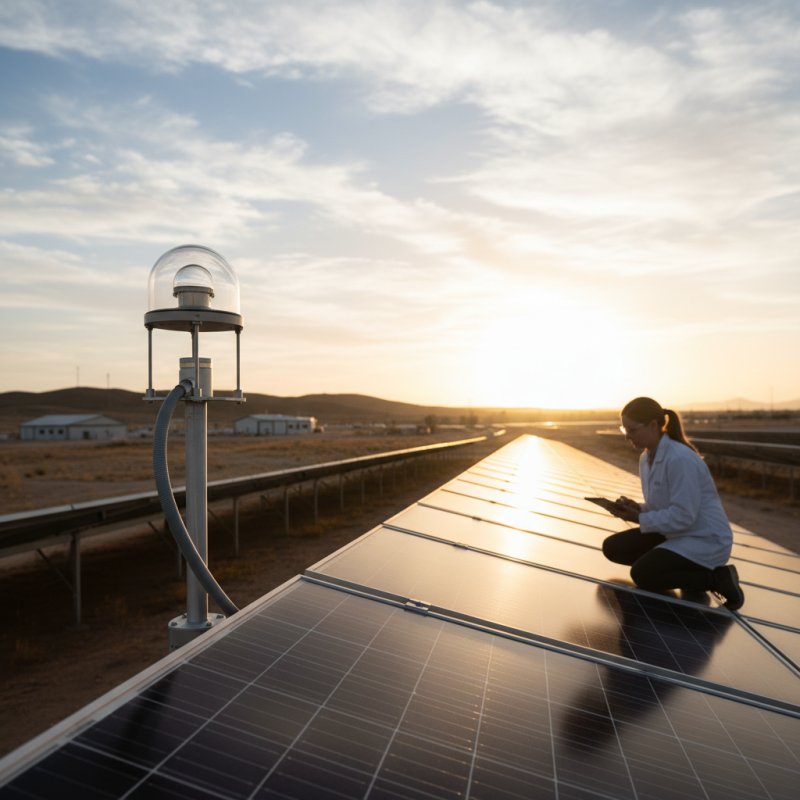
In the world of solar energy, accurate measurement of solar radiation is vital. A pyranometer serves as an essential instrument in this field. It measures global solar radiation on a surface. Notably, Dr. Jane Thompson, a leading expert in solar energy measurement, states, “Understanding solar radiation is crucial for optimizing energy capture.”
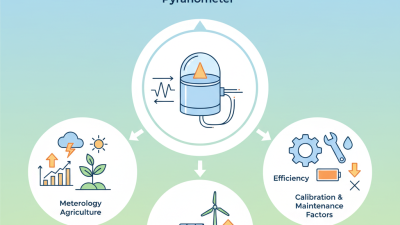
Pyranometers are used in various applications, from meteorology to solar panel optimization. They gather data that can significantly impact energy efficiency. The accuracy of these devices can make or break solar energy projects. However, many users underestimate the importance of proper calibration.
Despite their reliability, pyranometers can sometimes yield inconsistent results if not maintained properly. Regular checks and updates are necessary to ensure accuracy. Solar energy professionals must remain vigilant. The commitment to precise measurements can lead to better energy harnessing practices and higher efficiency.
What is a Pyranometer?
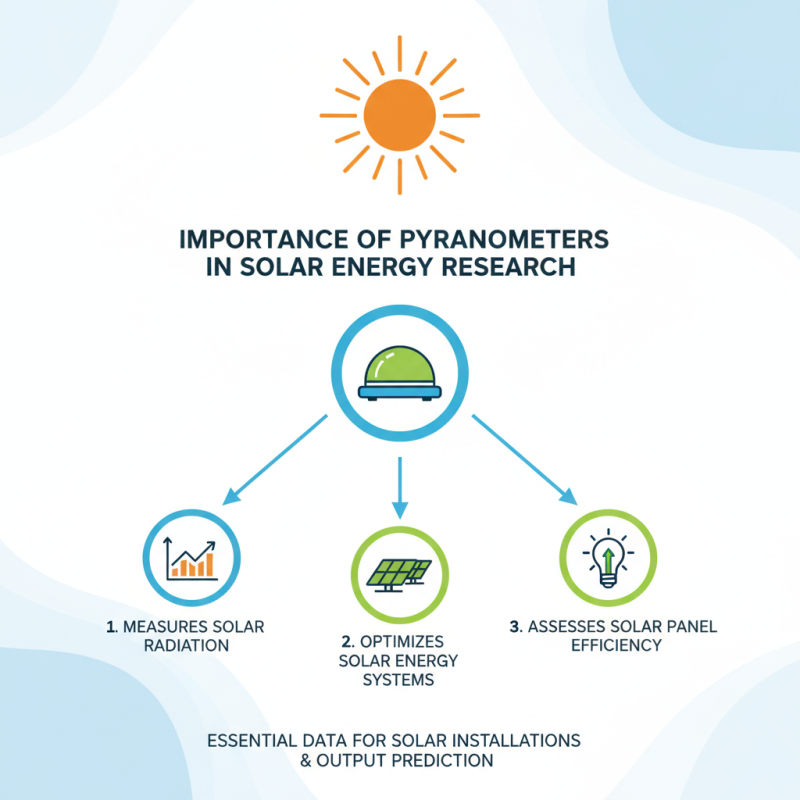
A pyranometer is a highly specialized instrument used to measure solar irradiance. This device captures the total amount of solar energy received on a surface area per unit time. Typically, it consists of a sensor that can detect both direct sunlight and diffuse sky radiation. The readings from a pyranometer are crucial for optimizing solar energy systems.
These instruments are primarily used in solar energy research and photovoltaic system installations. They help in assessing the performance of solar panels by providing accurate data on sunlight exposure. By placing pyranometers in various locations, researchers can analyze how different factors, like location and weather, affect solar energy production. However, calibration is critical to ensure reliable data collection.
Using a pyranometer does introduce challenges. Weather conditions can vary widely, causing fluctuations in readings. Users must consider these variations when interpreting data. Regular maintenance is essential to keep the device in optimal condition. Errors can occur if dust or debris accumulate on the sensor. This highlights the need for regular checks to ensure accuracy and reliability in data collection.
What is a Pyranometer and How is it Used in Solar Energy?
| Parameter |
Description |
Unit |
| Sensitivity |
The ratio of output signal to solar radiation |
V/W/m² |
| Response Time |
Time taken to reach a certain percentage of the final value |
Seconds |
| Measurement Range |
The range of solar irradiance the pyranometer can measure |
W/m² |
| Calibration |
Calibration frequency to ensure accuracy |
Yearly |
| Temperature Range |
Operating temperature range for accurate measurement |
°C |
| Output Type |
Type of output signal provided by the device |
Analog/Digital |
Principles of Pyranometer Functionality
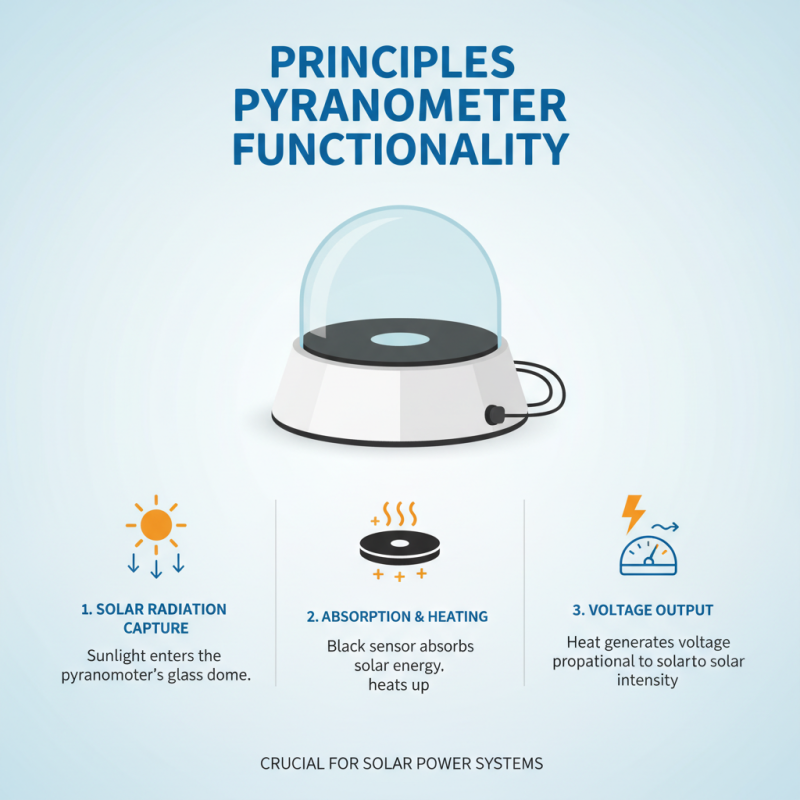
A pyranometer is an essential device for measuring solar radiation. It operates based on principles of thermodynamics and radiation absorption. Typically, it contains a black-coated thermal sensor that absorbs solar energy. As the sensor heats, it produces a voltage proportional to the solar irradiance. This allows for accurate readings of solar energy, crucial for solar power systems.
In recent years, the demand for solar energy has surged. Reports indicate that solar energy is expected to constitute around 20% of the global electricity supply by 2030. Accurate measurements of solar radiation are imperative for optimizing these energy systems. Pyranometers help quantify the solar energy available, allowing engineers to design solar panels efficiently.
While there are many advantages to using pyranometers, challenges exist. Calibration may be required to maintain accuracy over time. Environmental factors such as dust accumulation can also affect readings. Despite these imperfections, pyranometers remain vital tools for the renewable energy sector, guiding investment decisions and project implementations.
Types of Pyranometers Used in Solar Energy
Pyranometers are essential tools in solar energy applications. They measure solar radiation by capturing the energy from sunlight. Various types of pyranometers are designed for specific needs in solar energy assessment. Understanding these types is crucial for optimizing solar installations.
The most common type is the thermopile pyranometer. It uses sensors to detect temperature variations caused by solar radiation. This type is known for its accuracy and reliability. Another common variant is the silicon cell pyranometer. It converts sunlight into electricity, offering real-time data for energy production. Each type presents its pros and cons. For instance, thermopile pyranometers can be more expensive.
Choosing the right pyranometer requires careful consideration. Factors like calibration, measurement range, and installation location play a vital role. Users must think critically about these features. Not all pyranometers perform equally in extreme conditions. Temperature fluctuations can affect readings. Understanding these limitations helps in selecting the appropriate device for accurate solar energy analysis.
Pyranometer Measurements of Solar Radiation
This bar chart illustrates the monthly average solar radiation measured by pyranometers throughout the year. Data shows the highest solar radiation occurring in June and July, which is common in many solar energy applications.
Applications of Pyranometers in Solar Energy Systems
Pyranometers play a crucial role in solar energy systems. They measure solar irradiance, providing data essential for optimizing energy production. In recent years, the global solar market has surged, with solar energy contributing to over 3% of the world’s electricity generation in 2021, according to the International Energy Agency (IEA).
The accurate measurements obtained from pyranometers are vital for both large-scale solar farms and residential installations. For example, a well-placed pyranometer can help assess the optimal angle for solar panels, enhancing energy capture by up to 25%. This impact can significantly improve the return on investment for solar projects, which are already projected to exceed over $223 billion in global funding by 2026.
Despite their importance, pyranometers require regular calibration and maintenance. Inaccurate readings can mislead project developers and lead to poor decision-making. Moreover, environmental factors, like dust and shading, can influence their readings, making it essential to consider these variables. Addressing such challenges can lead to more reliable data, ultimately driving the efficiency of solar energy systems forward.