What is a Heat Flux Sensor and How Does It Work in Energy Monitoring?
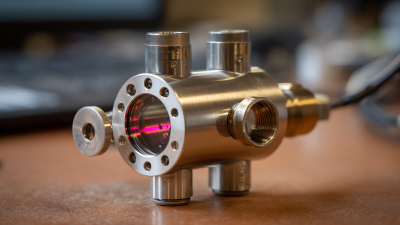
Heat flux sensors are essential instruments in the field of energy monitoring, providing critical data on the rate of heat transfer in various environments. These sensors measure the flow of heat through surfaces, which is vital for understanding energy efficiency in buildings, industrial processes, and even in environmental studies. By quantifying heat transfer, heat flux sensors enable engineers and researchers to pinpoint areas of energy loss, optimize heating and cooling systems, and develop strategies for improved energy management.
The operation of a heat flux sensor is based on the principle of thermoelectric detection. It typically employs materials that respond to temperature differences, translating heat flow into measurable electrical signals. This functionality makes heat flux sensors invaluable for applications ranging from HVAC (heating, ventilation, and air conditioning) systems to renewable energy settings, such as solar thermal applications, where understanding heat dynamics is crucial for enhancing performance and efficiency.
As the demand for sustainable energy solutions continues to grow, the role of heat flux sensors becomes increasingly significant. By leveraging these sensors for precise measurement and monitoring, businesses and homeowners alike can make informed decisions, leading to reduced energy consumption and a lower carbon footprint. This article delves into the mechanisms, applications, and benefits of heat flux sensors, highlighting their importance in the broader context of energy conservation and sustainability.
Understanding Heat Flux Sensors: Definition and Purpose
Heat flux sensors are essential instruments designed to quantify the rate of heat transfer through a given surface. By measuring the flow of thermal energy, these sensors play a crucial role in various applications, particularly in energy monitoring and management. The primary purpose of a heat flux sensor is to provide accurate data on the energy exchange between two environments—such as the interaction between a building's interior and exterior or the energy output of industrial processes. This information is vital for optimizing energy efficiency, enhancing comfort levels, and driving sustainability initiatives.
Operating on principles of thermal conduction, heat flux sensors typically utilize thermopiles or other materials that generate a voltage proportional to the temperature difference across them. When placed in the path of heat flow, they create a measurable signal that correlates to the heat passing through the sensor. This performance enables users to analyze thermal dynamics effectively, facilitate better insulation practices, and inform heating and cooling system designs. By integrating heat flux sensors into energy monitoring systems, organizations can manage consumption more effectively, identify energy losses, and implement strategies to reduce overall consumption, demonstrating the sensors’ indispensable role in contemporary energy management efforts.
What is a Heat Flux Sensor and How Does It Work in Energy Monitoring?
| Dimension |
Description |
| Sensor Type |
thermoelectric or conductive heat flux sensors |
| Measurement Range |
0 to 2000 W/m² |
| Accuracy |
±1% of reading |
| Response Time |
<1 minute for real-time monitoring |
| Calibrations |
Annual calibration recommended |
| Applications |
Building energy audits, HVAC optimization, and renewable energy systems |
| Signal Output |
4-20 mA or voltage output |
The Science Behind Heat Flux Measurement: Principles and Mechanisms
Heat flux sensors are pivotal in the quest for energy efficiency, utilizing the principles of thermodynamics to measure the rate at which heat energy transfers across a given surface. The fundamental mechanism of these sensors is rooted in the relationship between temperature difference and heat flow. Typically, they consist of a heat-flux sensing element that reacts to temperature gradients, converting thermal energy into an electrical signal. This principle is particularly relevant in applications such as building energy management systems, where understanding heat transfer is crucial for optimizing insulation and energy consumption.
According to a report by the International Energy Agency (IEA), buildings account for nearly 30% of global energy consumption, underscoring the critical importance of effective energy monitoring. By employing heat flux sensors, facilities can achieve more accurate energy audits and better manage heating and cooling loads. The sensors can provide real-time data, enabling facility managers to make informed decisions that align with the latest energy efficiency standards, such as the ASHRAE 90.1. Furthermore, advancements in sensor technology have led to increased accuracy and reduced response times, allowing for improved performance in various environments, from residential applications to industrial processes. Such innovations are critical as industries aim to meet stringent carbon reduction goals in line with global climate commitments.
Types of Heat Flux Sensors: Comparing Technologies and Applications
Heat flux sensors are crucial instruments in the realm of energy monitoring, designed to measure the rate of heat transfer per unit area. There are several types of heat flux sensors that vary in technology and applications, each offering unique advantages depending on the specific monitoring needs. The most common types include thermopile sensors, thin-film sensors, and heat flux transducers. Thermopile sensors, for instance, utilize multiple thermocouples to measure temperature differences, providing highly accurate readings across various surfaces. In contrast, thin-film sensors are best suited for applications that require a lightweight solution and offer rapid response times, making them ideal for transient heat flux measurement.
When comparing technologies, thermopile sensors are often favored for their high reliability and operational range, while thin-film sensors excel in precision and adaptability. A study by the American Society of Heating, Refrigerating and Air-Conditioning Engineers (ASHRAE) found that accurate heat flux measurement could reduce energy consumption in industrial processes by up to 30%. This highlights the importance of selecting the right sensor type for the specific application, whether it be for building energy audits, HVAC systems, or industrial equipment monitoring.
Tips: When choosing a heat flux sensor, consider the specific application and operating conditions. Evaluate factors such as the required sensitivity, response time, and environmental influences. Additionally, ensure that the sensor’s calibration aligns with the operational scale to maintain the accuracy of energy monitoring efforts.
Heat Flux Sensor Performance Comparison
This bar chart compares the sensitivity of different types of heat flux sensors used in energy monitoring applications. The data reflects how each sensor responds to heat flux, which is critical for effective energy management.
Applications of Heat Flux Sensors in Energy Monitoring Systems
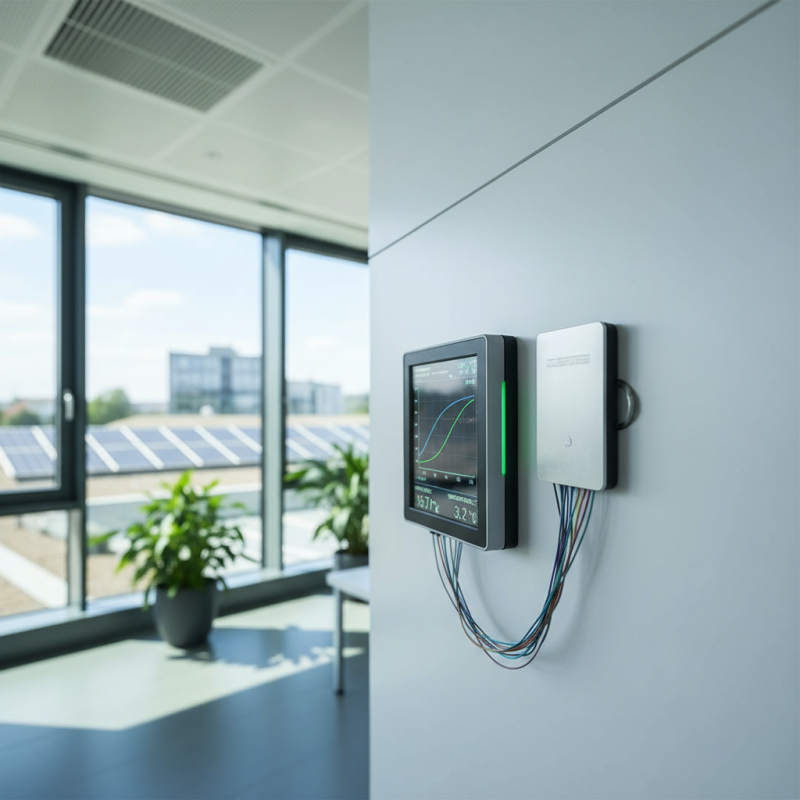
Heat flux sensors play a vital role in energy monitoring systems by measuring the rate of heat transfer through surfaces, which can be crucial for optimizing energy efficiency. These sensors are commonly employed in various applications, including building energy management, renewable energy systems, and industrial processes. In residential and commercial buildings, heat flux sensors help assess insulation effectiveness, enabling users to identify energy losses and make necessary improvements. By quantifying heat transfer, facility managers can optimize HVAC systems, leading to significant reductions in energy consumption and costs.
In renewable energy applications, heat flux sensors are instrumental in the performance assessment of solar and geothermal installations. They provide critical data on heat capture and distribution, allowing for real-time adjustments to maximize energy output. Additionally, industrial processes benefit from heat flux sensors by monitoring equipment efficiency and preventing overheating, thereby reducing the risk of costly downtime and maintenance.
Tip: When integrating heat flux sensors into your energy monitoring system, ensure proper placement for accurate readings. Sensors should be installed in locations that reflect realistic heat flow conditions. Regular calibration and maintenance will also enhance the reliability of the data collected, providing you with actionable insights for improving energy efficiency.
Benefits of Using Heat Flux Sensors for Energy Efficiency Assessments
Heat flux sensors are essential tools in the assessment of energy efficiency, providing precise data on thermal energy transfer within buildings and various systems. By measuring the rate of heat flow through surfaces, these sensors enable engineers and energy auditors to identify thermal losses and optimize energy usage. This information is crucial for developing strategies to enhance insulation, reduce energy consumption, and improve overall system performance.
The benefits of using heat flux sensors extend beyond mere data collection. They facilitate a deeper understanding of heat dynamics within building envelopes, HVAC systems, and industrial processes. With accurate measurements, businesses can make informed decisions about energy management, leading to significant cost savings and reduced environmental impact.
Furthermore, the real-time data offered by these sensors supports continuous monitoring and adjustment, ensuring that energy efficiency measures remain effective over time. By leveraging this technology, organizations can enhance their sustainability efforts and contribute to a greener future.