Why You Need a Heat Flux Meter for Accurate Energy Measurements
Accurate energy measurements are crucial in various fields. Understanding energy flow helps improve efficiency and reduce costs. A heat flux meter is an essential tool for obtaining precise data on heat transfer.
These devices measure the rate of heat energy transfer through a given surface area. They provide vital insights for engineers, researchers, and energy managers. Without a heat flux meter, energy assessments can become vague and unreliable.
It’s not enough to rely on estimations. Inaccurate measurements can lead to poor decision-making. A heat flux meter can bridge this gap. It transforms complex thermal dynamics into clear, actionable data. This increased accuracy fosters better energy practices and improved systems.
Understanding Heat Flux Meters and Their Functionality
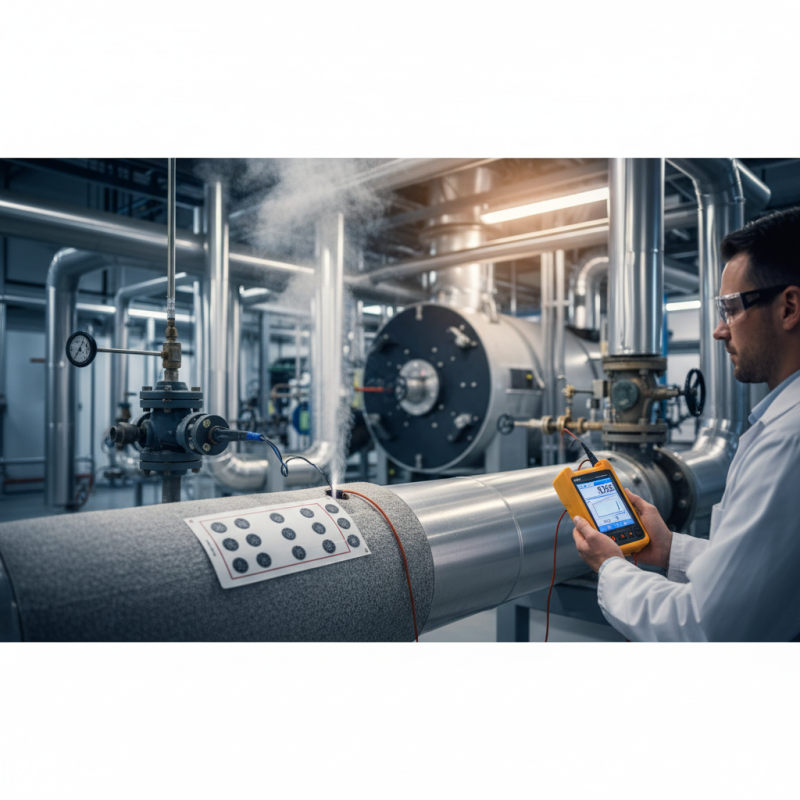
Heat flux meters are essential for measuring energy transfer accurately. They work by detecting the amount of heat energy passing through a specific area over time. Typically, they consist of sensors that create a voltage in response to temperature differences. An accurate reading is crucial for many applications, from building energy audits to industrial processes.
These devices can also help identify heat loss in buildings. By measuring the heat flux, you can pinpoint areas needing improvement. However, using these meters requires careful calibration. Incorrect setup can lead to misleading results. Regular maintenance ensures consistent performance.
It's important to remember that the environment can affect readings. Changes in air movement, humidity, or surface conditions may skew data. Recognizing these factors is essential for precise energy assessments. Reflections on the setup and conditions can enhance the reliability of results.
Importance of Accurate Energy Measurements in Various Applications
Accurate energy measurement is crucial across diverse industries. From HVAC systems to manufacturing, precision in energy consumption leads to efficiency gains. A recent report from the International Energy Agency revealed that inaccurate measurements can lead to energy losses of up to 30%. This inefficiency not only affects operational costs but also impacts sustainability efforts.
In the renewable energy sector, precise measurements are vital for optimizing systems. For example, photovoltaic systems require accurate heat flux assessments to improve energy capture. A study indicated that up to 15% more energy can be harvested when accurate heat flux meters are utilized. However, many facilities still rely on outdated techniques, which often yield flawed results. This inconsistency creates an environment for errors that could have serious repercussions.
In the context of building energy audits, accurate measurements can help identify wasteful practices. Research has shown that improper monitoring can cause buildings to consume 20% more energy than necessary. This discrepancy stresses the importance of employing reliable tools, like heat flux meters, to mitigate waste. Without these tools, many organizations may not realize their full energy-saving potential.
Key Benefits of Using a Heat Flux Meter for Energy Efficiency
A heat flux meter is essential for measuring energy efficiency accurately. This tool captures heat transfer in real time. It provides concrete data that guides energy management. Without precise measurements, it’s easy to overlook inefficiencies. But how do we know what we are missing?
Using a heat flux meter enables detailed analysis. It tracks energy losses through different materials. The data reveals patterns that might go unnoticed. For instance, older buildings often have hidden leaks. A heat flux meter helps in identifying these gaps. This leads to targeted solutions for better energy usage.
Moreover, many people underestimate the impact of small leaks. Just a tiny crack can lead to significant energy waste. By employing a heat flux meter, one can quantify this loss. The visual feedback from the meter can be eye-opening. It may challenge existing beliefs about insulation and energy performance.
How to Select the Right Heat Flux Meter for Your Needs
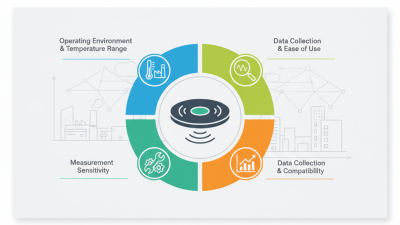
When selecting a heat flux meter, several factors come into play. First, consider the measurement range. Different projects require different ranges. A meter that covers your specific needs is essential. Think about where you plan to use it. is it for laboratory settings or field work? Portability can be key. A lightweight, compact design helps if you need to move around.
Next, the type of sensor matters. Some sensors react faster than others. Look for a meter with a suitable response time for your applications. Accuracy also counts. You want reliable readings, which means checking specifications carefully. Cheap meters might cost more in the long run due to inaccuracy.
Don't forget about ease of use. A complicated interface could lead to mistakes. Testing the user experience is crucial. If the device is hard to operate, it might frustrate users. Sometimes, the best option isn’t the most expensive one. Evaluate your specific needs and budget carefully before making a choice. The right heat flux meter can make all the difference in your energy measurement projects.
Why You Need a Heat Flux Meter for Accurate Energy Measurements
| Model |
Measurement Range (W/m²) |
Accuracy (%) |
Output Type |
Features |
| HeatFlux Pro |
-100 to 1500 |
±2 |
Analog |
Data logging, wireless connection |
| FluxMeter X |
0 to 2000 |
±1.5 |
Digital |
Real-time monitoring, USB interface |
| ThermoFlux 3000 |
-200 to 1000 |
±2.5 |
Analog |
Temperature compensation, portable |
| EcoHeat Meter |
-150 to 1200 |
±3 |
Digital |
Energy-saving mode, easy calibration |
| Precision HeatTracker |
0 to 2500 |
±1 |
Mixed |
Bluetooth connectivity, app integration |
Common Applications and Industries Utilizing Heat Flux Meters
Heat flux meters are vital tools across several industries. They measure the rate of heat transfer through materials. This technology is crucial in building energy efficiency assessments. Engineers rely on these meters to evaluate insulation performance. Accurate measurements lead to better energy management in homes and commercial buildings.
In manufacturing, heat flux meters play an essential role. They monitor heat in processes like casting and welding. If the heat transfer is off, it can lead to defects in products. Accurate heat measurements ensure higher quality and safety in production. Adjusting production parameters based on these measurements can save costs.
Tips for using heat flux meters effectively: Always calibrate your meter before use. This ensures accuracy and reliability. Also, consider environmental factors. Humidity and temperature can affect readings. Regular maintenance of your equipment is crucial for precise measurements. With these practices, you can enhance energy assessments and improve operational efficiency.
Heat Flux Meter Applications in Various Industries