Top Handheld Gas Monitor Solutions for Global Buyers?
In an era of heightened safety concerns, the significance of the Handheld Gas Monitor cannot be overstated. According to a report by MarketsandMarkets, the global market for gas detection systems is projected to reach $4.5 billion by 2027, demonstrating a substantial demand for efficient gas monitoring solutions. These devices are vital in industries like oil and gas, construction, and chemical manufacturing, where gas leaks can pose severe health risks.
Equipped with advanced detection technologies, the Handheld Gas Monitor provides real-time data to ensure worker safety. This feature enhances operational efficiency while minimizing hazards in hazardous environments. The challenge lies in choosing the right model, as the market offers a plethora of options with varied functionalities. Many buyers struggle to identify which device best meets their specific needs.
Furthermore, recent industry studies emphasize that not all devices guarantee reliable performance. Some models may yield false readings, stressing the importance of thorough research and scrutiny. Buyers must evaluate factors such as calibration intervals, sensor lifespan, and support services. Ultimately, investing in a trusted Handheld Gas Monitor is crucial for maintaining a safe and compliant workplace.
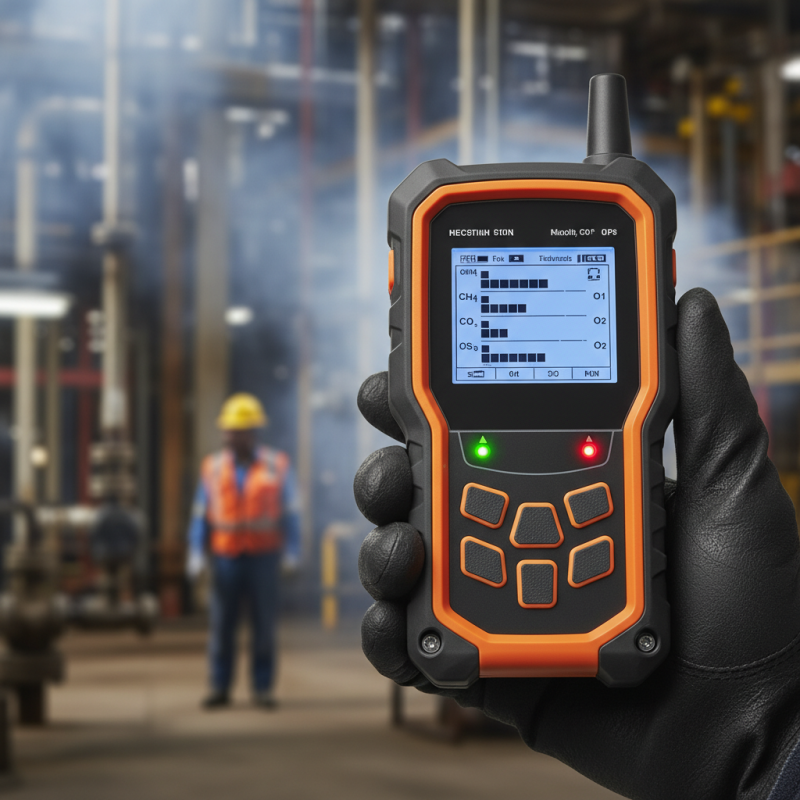
Overview of Handheld Gas Monitors: Importance and Applications
Handheld gas monitors are essential tools in numerous industries. They help detect harmful gases in various environments. These monitors provide instant readings, ensuring worker safety. They are commonly used in construction, chemical plants, and oil fields. Monitoring air quality is critical in these settings. The safety of workers often depends on quick and accurate measures.
Proper use of these devices can prevent accidents and health issues. They are designed to be portable, making them convenient for on-the-go assessments. However, some users may overlook regular calibrations, which can affect accuracy. This is a crucial point to reflect on, as relying on uncalibrated readings can lead to dangerous situations.
Investing in quality handheld gas monitors can be a game-changer. Users should seek devices that suit their specific needs. It is essential to evaluate features like detection range and battery life. While the market offers many options, careful selection is key. Balancing cost and reliability should always be a priority. This approach ensures that safety is never compromised.
Key Features to Consider When Choosing Handheld Gas Monitors
When selecting a handheld gas monitor, several essential features come into play. A user-friendly interface is crucial for quick readings. Bright, clear displays can make a significant difference in outdoor settings. Ensure the buttons are intuitive, allowing for easy operation even with gloves on.
Consider the type of gases you need to monitor. Different monitors are designed for specific applications. Some may focus on detecting flammable gases, while others can accurately measure toxic gases. Look for devices with multiple sensor capabilities. This versatility can enhance safety in various environments.
Calibration is another critical aspect. Regular calibration ensures accurate readings. Some models offer automatic calibration features, which can save time. Additionally, weight matters. A lightweight monitor is easier to carry during extended periods. Always check the battery life, as a short lifespan can hinder effective use in the field. Reflecting on these features can guide buyers in their search for reliable gas monitoring solutions.
Top Handheld Gas Monitor Solutions Comparison
The following chart presents a comparison of key features of different handheld gas monitors, including detection range, battery life, and weight. This data helps global buyers assess the best options for their specific needs.
Top Brands and Models of Handheld Gas Monitors for Global Users
When it comes to choosing handheld gas monitors, a variety of factors come into play. Popular models focus on essential features like detection accuracy, battery life, and size. Users should consider monitors that offer multi-gas detection capabilities. This flexibility is vital for various industries such as mining, oil and gas, and environmental monitoring.
Selecting the right device can be overwhelming. Here are some tips to streamline the process. First, assess your specific needs. Different environments may require unique gas detection specifications. Second, prioritize durability. A robust monitor can withstand harsh conditions. Third, look for ease of use. An intuitive interface saves valuable time in critical situations.
Keep in mind the importance of calibration. Regular calibration ensures accuracy and reliability. Many users overlook this aspect, leading to potential hazards. It’s crucial not to skip routine maintenance. Make it a habit to check the functionality of your device. Awareness and understanding can significantly enhance safety protocols in the field.
Cost Analysis: Budget-Friendly vs. Premium Handheld Gas Monitors
When selecting a handheld gas monitor, it's essential to consider cost-effectiveness. Budget-friendly options often provide basic functionality. They are lightweight and portable. However, they may lack advanced features like real-time data logging or extensive sensor range.
Premium handheld gas monitors, on the other hand, come with enhanced capabilities. They usually offer advanced detection technologies and superior accuracy. This can be crucial for industries with strict safety standards. Nevertheless, the higher price tag can be a significant hurdle for smaller businesses.
Tips: Consider your specific needs before choosing. If you only require basic detection, a budget option might suffice. However, investing in a premium model could save significant costs in the long run.
Remember, reliability is key. Regular maintenance and calibration are essential, regardless of the device's price. Be mindful of the trade-offs and weigh them against your operational needs.
Future Trends in Handheld Gas Monitoring Technology and Innovations
Handheld gas monitors are evolving rapidly. New technologies are improving their accuracy and reliability. Innovations are focusing on user-friendly designs. More advanced sensors are enhancing detection capabilities. These devices are now lighter and easier to operate, making them suitable for various industries, including manufacturing, construction, and environmental monitoring.
Recent trends show a shift toward connectivity. Many monitors now feature Bluetooth or Wi-Fi capabilities for real-time data sharing. This development enhances safety by enabling remote monitoring. However, this technology also raises concerns about data security and privacy. The balance between accessibility and protection is crucial. Users must be aware of potential vulnerabilities.
Battery life remains a significant challenge. Despite improvements, many devices still face limitations. Frequent charging can disrupt operations, especially in remote areas. As manufacturers continue to innovate, longer battery life is expected to become a priority. Continuous reflection on these issues can drive better solutions in the future.