Essential Tips for Choosing a DC High Pressure Pump?
Choosing a Dc High Pressure Pump can significantly impact your project's efficiency. Such pumps are essential for various applications, including cleaning, irrigation, and industrial processes. When selecting the right pump, consider the specific requirements of your setup. Understanding flow rate and pressure ratings is crucial. A well-chosen DC High Pressure Pump ensures optimal performance.
Many users overlook pump compatibility with their systems. It's vital to assess motor power and voltage needs carefully. Additionally, not all pumps are designed to handle the same conditions. Factors like temperature and fluid type play a role in this decision. A mismatch can lead to poor performance, even pump failure. This can be costly and time-consuming to rectify.
Finally, it’s important to research manufacturers and read user reviews. Reliability and performance often relate to brand reputation. Seek those with proven track records. The right DC High Pressure Pump will not only meet your needs but also save you finances in the long run. Careful evaluation before purchase leads to better satisfaction and outcomes.
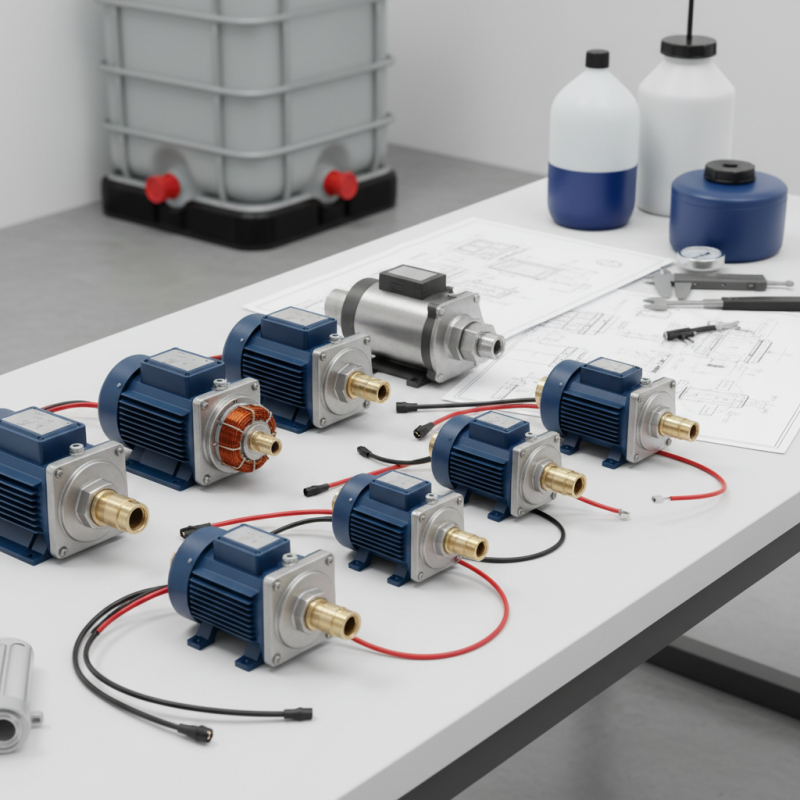
Understanding the Basics of DC High Pressure Pumps and Their Applications
DC high pressure pumps are essential tools in various industries, from automotive to marine applications. They are often used for tasks like pressure washing or fluid transfer. Understanding their operation is crucial for selecting the right pump. These pumps rely on direct current (DC) electricity, making them efficient for battery-powered applications. However, they can be sensitive to voltage changes, which may impact performance.
When choosing a DC high pressure pump, consider its flow rate and pressure output. These specifications determine how well the pump will perform in specific tasks. A pump might have impressive pressure ratings but deliver low flow, which can limit its utility. Efficiency is another key factor; a less efficient pump can lead to higher operational costs. Also, check the compatibility of the pump with the fluids it will handle. Some pumps may corrode or fail when exposed to certain chemicals.
Pumps vary in design and quality. Some are built for intermittent use, while others are designed for continuous operation. This distinction impacts longevity and reliability. Researching user reviews or consulting with industry experts can help in making informed decisions. It’s essential to reflect on previous experiences with similar equipment to avoid repeating mistakes. Careful consideration will lead to better outcomes in operational efficiency and equipment lifespan.
Key Specifications to Consider When Choosing a DC High Pressure Pump
When selecting a DC high-pressure pump, key specifications play a vital role. Start by assessing the required pressure output. Pumps are designed for specific pressure ranges. Knowing your needs avoids unnecessary over-specification. This factor directly impacts performance and application suitability.
Another critical specification is flow rate. Consider how many gallons per minute (GPM) are necessary for your tasks. A pump with insufficient flow won’t meet operational requirements. Too high a flow may lead to energy waste. Additionally, keep in mind the power source. Ensure your pump matches available voltage and current supply.
Tips for a wise selection include researching user reviews. They can reveal hidden issues or benefits that specifications might not cover. Don’t hesitate to consult experts for advice. Mistakes in choosing specifications can result in inefficiency. Take the time to reflect on your pump's long-term needs and potential adjustments. Balancing all these aspects ensures you get a reliable, efficient DC high-pressure pump.
The Importance of Flow Rate and Pressure Ratings in Pump Selection
When selecting a DC high pressure pump, understanding flow rate and pressure ratings is crucial. The flow rate determines how much liquid the pump can transfer over time. For instance, a pump with a flow rate of 10 liters per minute may be ideal for smaller applications. However, larger tasks often require pumps with higher flow capacities. According to industry data, choosing the right flow rate can enhance efficiency by nearly 30%.
Pressure ratings are equally important. These ratings indicate the maximum pressure the pump can handle without failure. A pump rated at 150 psi may suit residential applications. However, industrial uses typically demand units that manage pressures of 200 psi or more. Misjudging pressure needs can lead to equipment damage and increased maintenance costs. In fact, about 20% of pump failures result from improper pressure selection.
It's also essential to consider the relationship between flow rate and pressure. Too high of a flow rate can lead to cavitation issues, while too low can hinder system performance. Data shows that systems operating outside optimal ranges can waste up to 40% of energy. Thus, evaluating both flow and pressure ensures sustainable operation and reduces long-term risks.
Evaluating Durability and Materials in High Pressure Pump Designs
When selecting a DC high pressure pump, evaluating durability is crucial. The materials used in pump design greatly influence performance and lifespan. For instance, stainless steel and high-grade plastics are preferred for their resistance to corrosion and wear. These materials are essential in demanding environments, where exposure to harsh substances is common.
Pumps made from inferior materials often fail prematurely. This can lead to costly repairs and downtime. It's important to consider not only the strength of the materials but also their compatibility with the intended application. Additionally, seals and gaskets must be of high quality to prevent leaks.
The design of the pump also plays a role in its reliability. Look for innovative designs that enhance durability while maintaining efficiency. Some manufacturers emphasize effectiveness over longevity, which can be misleading. Reflecting on experiences with different pumps can help identify which designs truly offer resilience against wear and tear. Aim for a balance between performance and lasting quality for a wise investment.
Comparing DC High Pressure Pump Brands and Market Performance Statistics
When selecting a DC high pressure pump, understanding brand performance is crucial. Market statistics often highlight the reliability and efficiency of various models. Brands with a strong reputation tend to outperform lesser-known competitors, particularly in durability and service life. Always consider user reviews; they provide insights based not only on initial use but also on long-term performance.
Consider these tips while making your choice. Evaluate how much pressure you need and match that with the pump's capabilities. A pump that seems good on paper may not meet your specific demands. Also, pay attention to the materials used in construction. Quality parts ensure longer service life and better performance.
Don’t forget to check how easy the pump is to maintain. Complicated systems can lead to problems down the line. Look for models with user-friendly designs and accessible parts. This can save you time and money. Remember, a little research now can prevent bigger issues later.