How to Perform Thermal Conductivity Testing Effectively?
In the realm of thermal conductivity testing, precision and accuracy are paramount. Dr. Emily Carter, a leading expert in material science, emphasizes, “Understanding thermal properties is crucial for developing advanced materials.” Her insight highlights the significance of effective testing methods.
Thermal conductivity testing measures a material’s ability to conduct heat. This property influences many industries, including construction and electronics. Yet, achieving accurate results can be challenging. Factors such as sample preparation, environmental conditions, and testing methods play a vital role.
Many professionals overlook these details. Rushed testing can lead to unreliable data. Consequently, a thorough approach is essential for meaningful results. Practitioners often reflect on their methodologies, seeking continuous improvement. Embracing these challenges can elevate the quality of thermal conductivity testing outcomes significantly.

Understanding Thermal Conductivity: Key Concepts and Definitions
Thermal conductivity is a material's ability to conduct heat. It’s measured in watts per meter-kelvin (W/m·K). This property is vital in industries like construction, electronics, and manufacturing. Understanding thermal conductivity helps engineers select the right materials for insulation, heat exchangers, and electronic components.
According to the International Journal of Thermodynamics, metals like copper and aluminum have high thermal conductivity, often exceeding 200 W/m·K. Insulating materials, such as fiberglass, typically range from 0.04 to 0.05 W/m·K. This stark contrast highlights the importance of choosing materials based on their thermal properties. Miscalculating thermal conductivity can lead to inefficiencies, such as increased energy costs or even equipment failures.
However, testing for thermal conductivity is not without challenges. Variability in sample preparation can affect results significantly. In some cases, testing conditions might not accurately reflect real-world applications. Researchers often emphasize the need for rigorous standards and consistent methodologies to avoid discrepancies. Each measurement must be critically evaluated to ensure validity and reliability. Ultimately, a deeper understanding of thermal conductivity is essential for engineers and scientists alike.
Thermal Conductivity Testing Results
Types of Thermal Conductivity Testing Methods and When to Use Them
Thermal conductivity testing is vital in many fields. Several methods exist, each suited for different materials and conditions. The most common technique is the steady-state method. This method measures heat transfer through a material under stable conditions. It’s accurate but can take more time to achieve thermal equilibrium.
Another method is the transient or non-steady-state technique. This approach is quicker, providing results almost immediately. It’s ideal for materials like composites where traditional methods might fail. However, the transient method may require complex data analysis. The choice between these methods often depends on the resources available.
Additionally, laser flash analysis is popular for its speed and precision. It measures thermal conductivity by analyzing temperature changes in a material sample. This method is efficient but might be more expensive than other options. Each testing method has its strengths and limitations. Making the right choice demands careful consideration of both material properties and testing conditions.
Conducting Tests: Essential Equipment and Procedures Explained
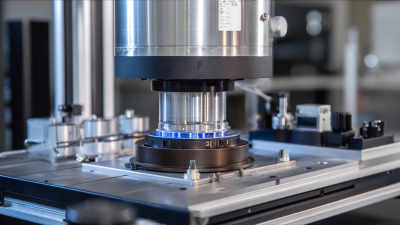
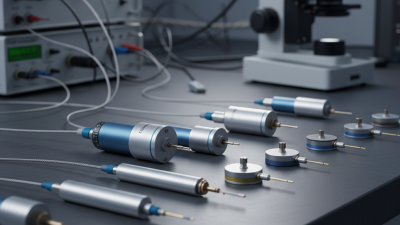
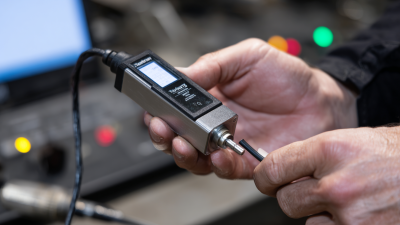
When conducting thermal conductivity testing, having the right equipment is crucial. A heat source, thermocouples, and an insulated chamber are essential. These tools help you measure how well a material conducts heat. You need to ensure they are calibrated correctly. Any miscalibration can lead to inaccurate results, leading to potential errors in your data.
Tips: Always check your equipment before starting a test. Look for any visible damage. Ensure the thermocouples are clean and securely placed. A small oversight here can cause significant discrepancies in measurement.
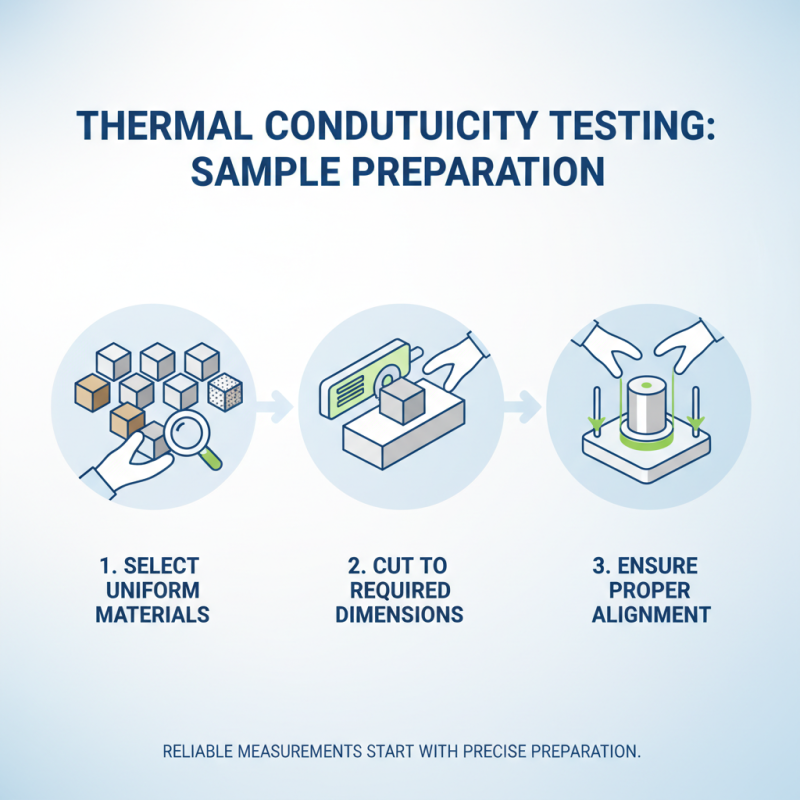
The testing procedure is just as critical. Begin by preparing your sample carefully. The dimensions must be precisely known. Measure length and cross-sectional area accurately. Any inaccuracies can influence calculations. Pay attention to surrounding conditions, like ambient temperature, as they might disrupt your results.
Tips: Record all your findings diligently. If the numbers seem off, re-evaluate your method and identify possible mistakes. It’s okay to make errors, but reflecting on them can enhance future testing accuracy.
Analyzing and Interpreting Thermal Conductivity Test Results
Analyzing and interpreting thermal conductivity test results is crucial for understanding material properties. Begin by reviewing the data carefully. Look for any anomalies in the readings. These could indicate test errors or material inconsistencies. It’s essential to question everything. If a result seems off, it may not be just an error; it could reveal something significant about the material.
Next, compare results against standard benchmarks. This process helps establish a clear context. Recognizing patterns in the data is key. For instance, if certain materials show unexpected conductivity, further investigation is warranted. Document these insights; they could lead to improvements in future testing processes.
Also, consider environmental factors during testing. Variations in temperature or humidity can skew results. Reflecting on these conditions aids in drawing more accurate conclusions. Finally, involve multiple team members in analysis. Diverse perspectives often uncover overlooked details. Embrace the challenge; every test is a learning opportunity.
How to Perform Thermal Conductivity Testing Effectively? - Analyzing and Interpreting Thermal Conductivity Test Results
| Material Type |
Thermal Conductivity (W/m·K) |
Density (kg/m³) |
Test Method |
Test Temperature (°C) |
| Concrete |
1.4 |
2400 |
Guarded Hot Plate |
25 |
| Brick |
0.8 |
1800 |
Heat Flow Meter |
20 |
| Wood |
0.12 |
600 |
Transient Plane Source |
25 |
| Glass Fiber Insulation |
0.040 |
50 |
Guarded Hot Plate |
25 |
| Polystyrene Foam |
0.033 |
30 |
Flat Plate |
20 |