China Top Heat Flow Meter Manufacturers How to Choose?
Choosing among China’s top heat flow meter manufacturers requires more than comparing prices or product photos. A reliable decision begins with the measurement task. Building materials, insulation panels, refrigeration systems, and laboratory samples may require different sensor designs, temperature ranges, and accuracy levels. A heat flow meter should match the intended application, not simply display attractive technical data. Small details matter. Sensor thickness, response time, probe size, and data output can affect real testing results.
Experienced buyers usually examine how manufacturers develop, calibrate, and support their instruments. Ask for test reports, calibration records, technical drawings, and clear operating limits. A trustworthy supplier should explain uncertainty rather than promise unrealistic precision. Check whether calibration follows recognized laboratory practices, such as ISO/IEC 17025 where applicable. Also review production experience, quality-control procedures, software stability, and after-sales response. A factory visit, video inspection, or sample evaluation can reveal more than a polished catalog.
However, supplier rankings are not always objective. Marketing language may describe a company as “top” without showing independent evidence. This deserves caution. Compare several manufacturers using the same checklist, including accuracy, repeatability, warranty terms, spare-part availability, and delivery capability. Request a demonstration with a material similar to yours. Observe the readings, setup time, cable quality, and report format. One overlooked issue can become expensive later. The best choice is not necessarily the largest Chinese manufacturer. It is the supplier that can document performance, understand your testing conditions, and communicate honestly when limitations appear. A careful selection process builds confidence before the instrument reaches your laboratory or production line.
What Is a Heat Flow Meter and Why Does Manufacturer Choice Matter?
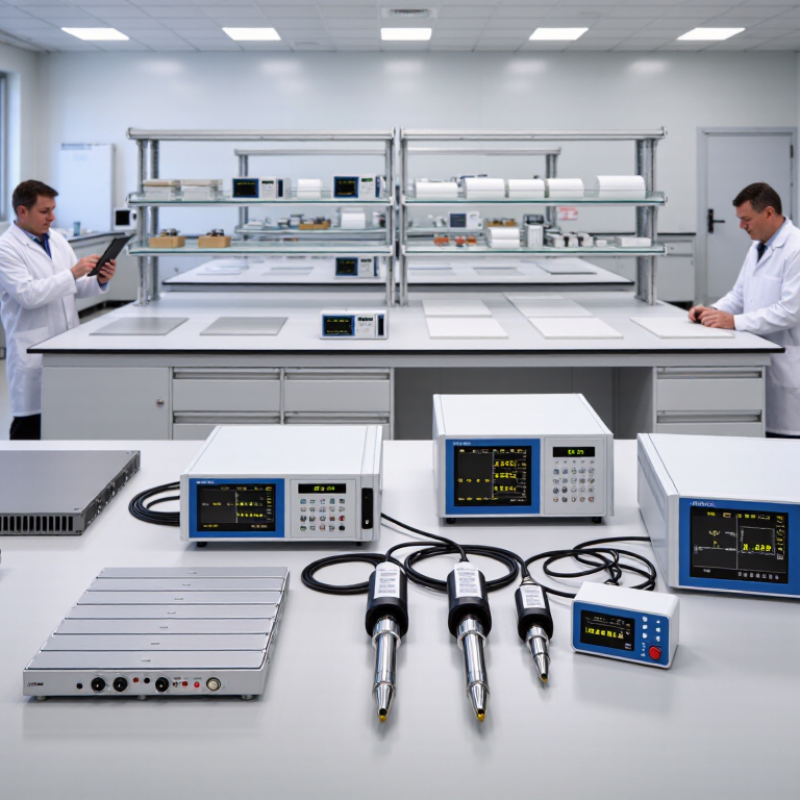
A heat flow meter measures heat passing through a material under a controlled temperature difference. It helps determine thermal conductivity and thermal resistance. In practice, a technician places an insulation sample between hot and cold plates, then records heat flux after conditions stabilize. The result supports product testing, building design, and quality control.
Manufacturer choice matters because measurement quality depends on more than the sensor. Stable plates, uniform pressure, accurate temperature control, and traceable calibration all affect the final value. ISO 8301 and ASTM C518 define key methods for heat flow meter testing. However, standards cannot correct poor equipment maintenance. The International Energy Agency reported that buildings used about 30% of global final energy in 2022. Small testing errors can therefore influence insulation decisions across large projects.
Look for calibration certificates, stated uncertainty, reference materials, and service records. Ask how often the instrument requires recalibration. A reliable supplier should explain sample thickness limits and correction procedures clearly. Watch the screen during testing. Drifting temperatures or sudden heat-flux changes may signal contact problems. No meter is perfect. Even experienced users can misread unstable data. A lower purchase price may seem efficient, yet weak technical support can create repeated tests, delayed reports, and hidden costs. Manufacturers with documented quality systems and responsive engineers usually offer stronger long-term confidence. Still, every specification deserves verification against the actual laboratory workload.
Which Technical Specifications Define a Reliable Heat Flow Meter?
A reliable heat flow meter begins with measurement discipline, not a low purchase price. The UNEP Global Status Report for Buildings and Construction 2023 reports that buildings consume about 30% of global energy. Accurate insulation testing therefore affects both design decisions and operating costs.
Check the sensor’s heat-flow range, temperature range, resolution, and stated accuracy. ASTM C518 and ISO 8301 require controlled, steady measurements for thermal resistance testing. A dependable instrument should also provide repeatability data, calibration traceability, and stable pressure across the specimen. Look for a guarded sensor structure that reduces edge losses. Sample thickness limits matter too. A meter designed for thin panels may misread thick mineral insulation. Data logging should record temperature, heat flux, time, and test conditions. Without these records, verification becomes difficult.
Tips: Ask for calibration certificates linked to recognized laboratories. Compare repeatability, not only headline accuracy. Test a reference material before production use. Inspect the sensor surface for uneven contact. Small air gaps can distort results.
From field testing experience, a lower thermal conductivity reading is not automatically better. Moisture, compression, and surface roughness can change the result within minutes. Some specifications look impressive but omit stabilization time. That omission deserves attention. A practical evaluation should repeat the same specimen several times and examine the spread. I would also question unusually perfect data; real laboratories rarely behave perfectly. Reliable selection combines published standards, transparent uncertainty data, and evidence from comparable materials.
How to Compare China’s Leading Heat Flow Meter Manufacturers?
Comparing China’s leading heat flow meter manufacturers requires more than checking price lists. Start with measurement range, accuracy, sensor size, and operating temperature. A laboratory meter may not suit a construction site. Confirm whether the sensor measures steady heat transfer or changing thermal conditions. These details affect real results.
Ask each manufacturer for calibration records, technical drawings, and sample data. Traceable calibration, preferably linked to an accredited laboratory, supports reliable testing. Check the stated standards carefully. Some specifications describe ideal conditions only. Numbers can mislead. Request a demonstration using a reference material, such as an insulation panel with known thermal resistance. Observe temperature stability, probe placement, software readings, and response time.
Service quality also matters. Compare installation guidance, repair procedures, replacement sensors, and training. A responsive engineer can prevent weeks of uncertain measurements. Review production controls, inspection records, and export documentation before placing an order. Video audits help, but they cannot replace physical verification. I have seen technically impressive samples perform poorly after rushed sensor installation. That weakness deserves attention. Choose a supplier that explains limitations clearly, not one that promises perfect accuracy. Get every critical specification in writing, including warranty coverage, calibration intervals, data formats, and delivery conditions.
What Quality, Certification, and Support Standards Should You Check?
Choosing a heat flow meter manufacturer requires more than comparing prices and measurement ranges. Check how the company verifies accuracy during production. Ask for calibration records linked to recognized national or international standards. A reliable supplier should explain sensor construction, testing temperature ranges, and expected measurement uncertainty.
Look for ISO 9001 certification covering the actual manufacturing site. For calibration services, ISO/IEC 17025 accreditation provides stronger evidence of laboratory competence. Confirm certificate numbers, issuing bodies, and validity dates. CE, RoHS, or other compliance documents may be necessary for your target market. Do not accept a logo alone. Request the complete declaration and applicable test reports.
A practical test sample can reveal more than a sales presentation. Send questions about zero drift, probe replacement, software updates, and data export formats. The response should be specific and technically clear. Support matters after delivery. Check response times, spare-part availability, repair procedures, and training options. Ask whether engineers can review unusual readings from your insulation, building envelope, or industrial samples.
I once focused too heavily on accuracy figures. That was a mistake. Poor documentation created more delays than small measurement differences. Some suppliers promise fast support but provide only scripted replies. Test this before purchase with detailed technical questions. A factory tour, video inspection, or reference customer interview can expose gaps between certificates and daily practice. Real reliability appears in records, communication, and repeatable service.
How to Select the Best Manufacturer for Your Testing Needs?
Choosing among China’s top heat flow meter manufacturers requires more than comparing prices. Your testing conditions should guide the decision. Define the heat flow range, sample size, temperature limits, and required accuracy before contacting suppliers. A meter designed for building insulation may not suit thin films or refractory materials.
Ask manufacturers for calibration certificates, uncertainty data, and repeatability results from comparable tests. Check whether their calibration follows recognized national or international standards. Request a demonstration using your actual sample type. Numbers matter. A polished product photograph proves little. More useful evidence includes raw test curves, sensor specifications, software screenshots, and service records.
Review the manufacturer’s production experience, inspection process, and technical support. Can engineers explain sensor drift, thermal contact resistance, and environmental compensation clearly? Ask how they handle recalibration and replacement parts. Confirm response times, installation guidance, training, and warranty terms in writing. Factory visits or independent audits can reveal assembly controls that brochures often omit.
Do not choose only from a sample unit. Production consistency may differ. The lowest quotation can also hide limited support or expensive accessories. I have found that clear communication during technical questions often predicts future service quality. Still, communication alone is not enough. Compare documented performance across several units, and leave room for uncertainty in your evaluation.
China Top Heat Flow Meter Manufacturers: How to Choose?
Suggested evaluation weighting for selecting a heat flow meter manufacturer based on testing requirements
Measurement accuracy and calibration traceability should receive the highest priority because they directly affect the reliability and comparability of heat-flow results. Temperature range, response time, repeatability, technical documentation, support, and total cost should then be evaluated against the specific requirements of your laboratory or production testing program. These percentages are a practical comparison framework, not manufacturer performance ratings.