How to Choose the Best DC Charging Connector for Your Needs?
Choosing the right Dc Charging Connector is crucial for electric vehicle (EV) owners. An effective connector impacts charging speed and compatibility. The global market for DC fast chargers is projected to exceed $50 billion by 2027, according to industry reports. This reflects the growing demand for efficient charging solutions.
When selecting a DC Charging Connector, consider the power output requirements and vehicle compatibility. Different EV models support various connector types, such as CCS and CHAdeMO. A mismatch can lead to frustrating charging experiences and longer wait times. Moreover, a comprehensive understanding of charging networks helps. This ensures access to reliable infrastructure.
It's important to address potential shortcomings within the current offerings. Some connectors may not perform as expected in extreme weather, which can affect charging efficiency. Evaluating reviews and real user experiences can shed light on these issues. By prioritizing informed choices, you can enhance your EV charging experience.
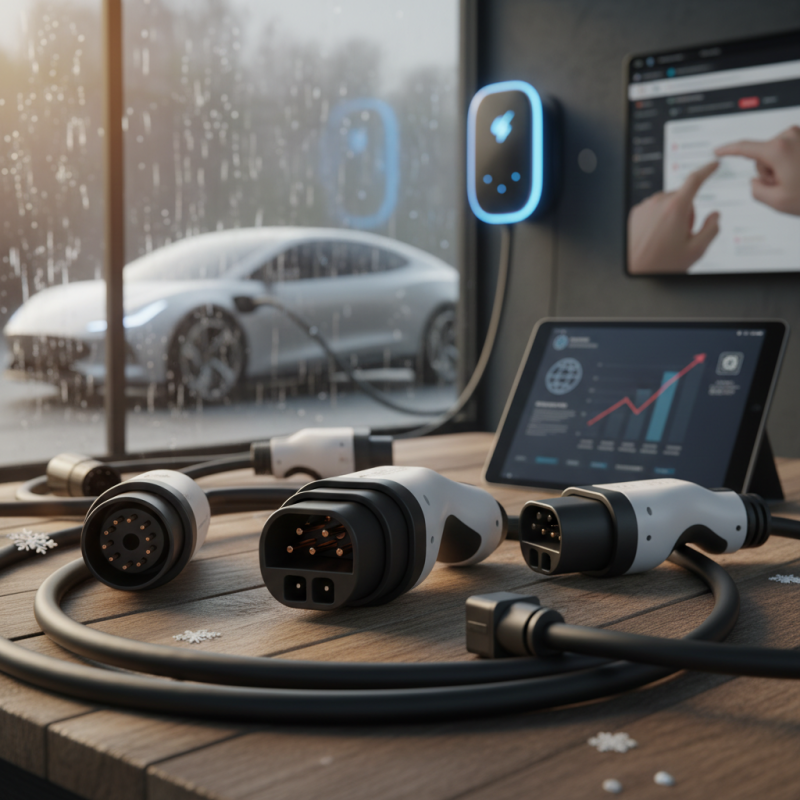
Understanding Different Types of DC Charging Connectors
When selecting a DC charging connector, it’s important to understand the various types available. Different charging connectors serve unique purposes, tailored for specific electric vehicles and applications. For instance, CCS (Combined Charging System) is prevalent in many regions, allowing rapid charging. Conversely, CHAdeMO is primarily used by certain manufacturers, offering a different charging profile.
Compatibility is key in making your choice. Not every vehicle supports all connector types. Research the vehicles you own or plan to use. Connector sizes and shapes can differ significantly. Take note of the electrical specifications as well. Voltage levels, power capacities, and safety features vary among connectors. These factors greatly influence the charging experience.
It’s worth mentioning that the market is evolving. New standards and technologies emerge frequently. Some connectors may become obsolete over time. It’s crucial to stay updated on industry trends. Consult experts or refer to reliable sources for guidance. Ensure the chosen connector meets your current and future needs. Understanding these aspects can empower you to make a judgment that suits your requirements.
Evaluating Charging Speed and Power Requirements
When selecting a DC charging connector, understanding charging speed and power requirements is crucial. Most electric vehicles (EVs) can accept different levels of power. For instance, a Level 3 charging station can deliver up to 350 kW, allowing rapid charging. In contrast, Level 2 stations typically provide around 19-22 kW. This variance greatly affects charging time, making it essential to match the connector with the vehicle's specifications.
Power requirements vary among EV models. A study by the International Energy Agency (IEA) estimates that the average charging time for EVs reduces significantly with higher power outputs. Connecting a vehicle that supports fast charging to a lower power connector can lead to frustration. Many manufacturers recommend installing connectors consistent with the vehicle's battery capacity. High-capacity batteries can take full advantage of higher wattage, achieving about 80% charge in less than an hour.
It’s also vital to consider future needs. As technologies evolve, higher charging standards may become the norm. For instance, connectors capable of higher amperage might be necessary as battery technologies improve. This foresight can prevent compatibility issues down the road. Therefore, while choosing a connector, it is wise to evaluate both current and potential future charging needs.
Charging Speed and Power Requirements for DC Charging Connectors
Compatibility with Your Electric Vehicle and Charging Station
When selecting a DC charging connector, compatibility is crucial. Not every electric vehicle (EV) can use all charging stations. Charging connectors differ in design and functionality. Understanding your vehicle's requirements is key. Check the specifications of your EV first. Some models might require specific types of connectors to ensure efficient charging.
The charging station's compatibility also matters. Different locations may offer various connector types. It's vital to confirm that your chosen charging station supports your vehicle's connector. Some chargers may only deliver full power to compatible cars. If the connection doesn’t match, you could face slow charging or, worse, no charge at all.
It's easy to overlook these details. Many users assume all connectors work universally, which isn’t the case. Research and verify compatibility before any purchase. This approach not only saves time but also extends battery life. Make informed choices by understanding both ends of the charging equation. Your EV deserves it.
Assessing Safety Standards and Regulations for Connectors
When selecting a DC charging connector, safety standards and regulations are critical. These guidelines help ensure the reliable performance of charging systems. For instance, according to a report by the International Electrotechnical Commission (IEC), connectors must meet specific safety criteria to prevent electrical hazards. Adopting connectors certified by recognized standards improves overall safety.
Tips: Always verify certification labels on connectors before purchase. This ensures compliance with local regulations.
Failing to adhere to safety standards can lead to serious issues. A study by the Electric Power Research Institute (EPRI) highlighted that improper connectors were a factor in 15% of electrical fires related to EV charging. Understanding IEC and SAE safety protocols is essential for mitigating risks.
Tips: Regularly inspect connectors for wear or damage. This can prevent unexpected failures and enhance user safety.
It's important to remain informed about evolving safety regulations. The landscape is continually changing as technology advances. Keeping updated ensures not only compliance but also enhances efficiency in charging operations.
Considering Future-Proofing and Technological Advancements
When selecting a DC charging connector, it's crucial to consider not only your current needs but also future-proofing options. As technology advances, new standards emerge that can significantly affect charging efficiency and compatibility. Many connectors may become outdated quickly. Ensuring your choice can adapt to future developments is essential.
Here are some tips:
- Prioritize connectors that comply with the latest technical standards.
- Assess the charging speeds they offer.
- It's beneficial to choose connectors that support a broad range of voltages. This flexibility can save costs and reduce the need for upgrades as technology evolves.
Keep in mind that industry trends can change rapidly. What seems state-of-the-art today may not hold up tomorrow. Additionally, explore modular or customizable connectors. They may offer the adaptability required as your EV or charging requirements grow. Reflect on your long-term strategy for electric vehicle use. Having a thoughtful plan can lead to better choices in connector selection.