How to Choose the Best Thermal Conductivity Meter?
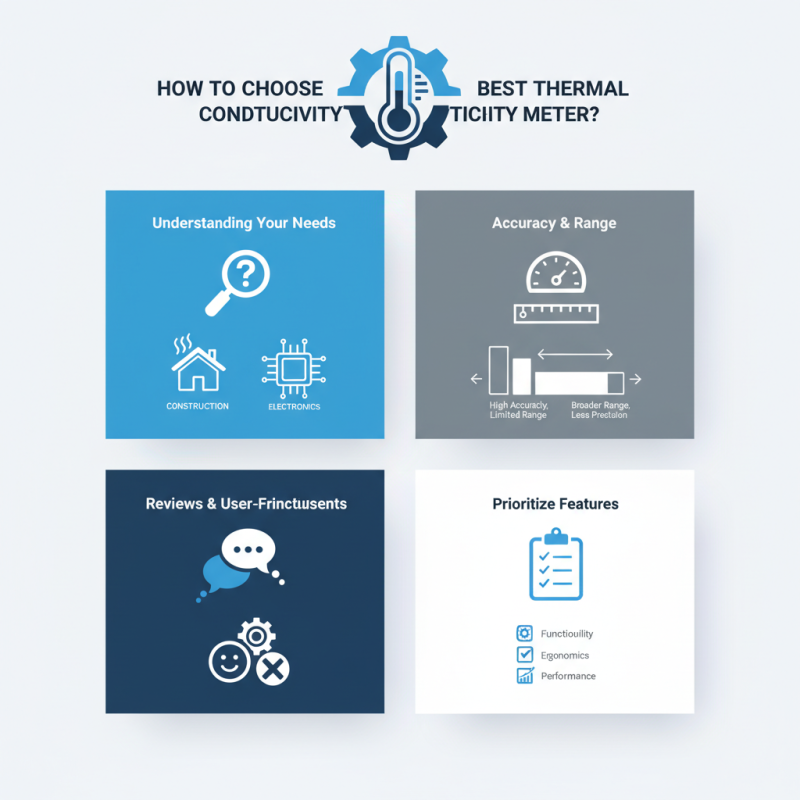
Choosing the best thermal conductivity meter can be daunting. With many options available, understanding your needs is crucial. A thermal conductivity meter measures how well a material conducts heat. Different industries require different specifications. For instance, construction materials have different requirements than electronics.
When selecting a thermal conductivity meter, consider accuracy and range. Some meters may offer high accuracy but limited range. Others might cover a broader spectrum but lack precision. Think about the materials you will test regularly. Will you measure insulators or metals? This choice impacts the meter's effectiveness.
It’s essential to read reviews and compare specifications. Many users overlook user-friendliness, which can hinder effective use. A complex device may lead to frustration and inaccurate results. Reflect on what features matter most to you. Prioritize your specific needs over general features. This way, you’ll find a thermal conductivity meter that truly fits your requirements.
Understanding Thermal Conductivity and Its Importance in Measurement
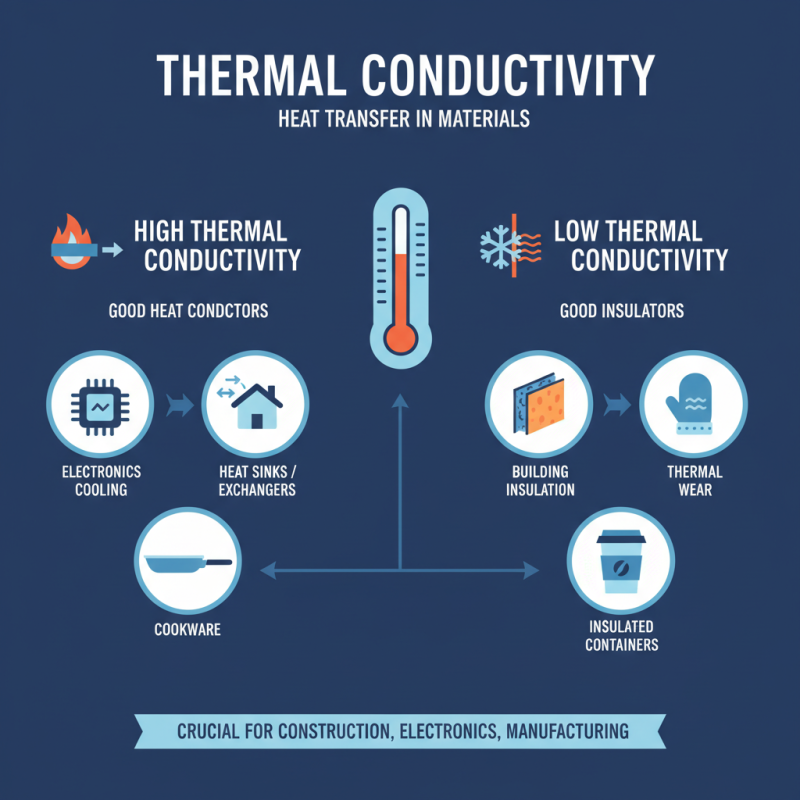
Thermal conductivity is a key property of materials. It quantifies how well heat moves through a substance. This measurement is crucial in industries such as construction, electronics, and manufacturing. High thermal conductivity means materials are good heat conductors. Conversely, low thermal conductivity indicates good insulation.
Understanding this property allows engineers to select the right materials for specific applications. For example, in building design, materials must effectively manage heat transfer to ensure energy efficiency. Misjudging thermal conductivity can lead to poor insulation choices. These errors can result in higher energy bills and uncomfortable environments.
Choosing a meter requires careful consideration. Factors such as sensitivity, range, and calibration are vital. Each meter type has strengths and weaknesses. Some are more accurate but less portable. Others may be easy to use yet lack precision. It's essential to reflect on the specific needs of your project. The right tool can make all the difference in achieving accurate thermal measurements.
Types of Thermal Conductivity Meters Available in the Market
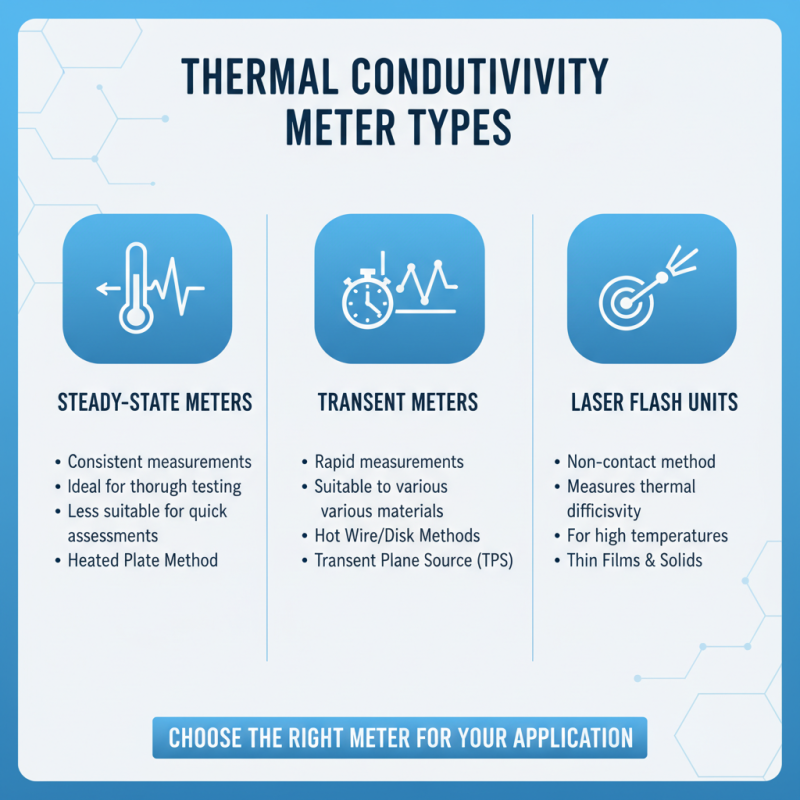
When selecting a thermal conductivity meter, understanding the types available is crucial. There are several categories and each serves different purposes. Some common types include steady-state meters, transient meters, and laser flash units. Steady-state meters provide consistent measurements over time. This makes them ideal for materials needing thorough testing. Yet, they can be less suitable for quick assessments.
Transient meters, on the other hand, measure thermal conductivity in real-time. They often utilize short bursts of heat to collect data. This method offers rapid results, but it may compromise accuracy in certain scenarios. For researchers needing immediate feedback, they are an excellent choice. Laser flash units focus on high precision. They are typically used in advanced laboratories. However, they might be overkill for simpler applications.
Choosing between these options can be challenging. It’s essential to consider the specific needs of your project. Look into the skills and knowledge required to use each type effectively. Some meters demand extensive training, while others are more user-friendly. Reflect on how these factors align with your experience and resources. Each type has its strengths and weaknesses, so careful consideration is vital.
Key Features to Consider When Selecting a Thermal Conductivity Meter
When selecting a thermal conductivity meter, several key features must be considered. Accuracy is paramount. Look for a device with a good reputation for reliable measurements. The calibration method is also crucial. A meter that allows for easy calibration gives more flexibility in different testing environments.
Portability can be important too. If you need to conduct field tests, a lightweight model is ideal. Think about battery life as well. Long-lasting power is a must for remote locations. Additionally, ease of use should not be overlooked. A user-friendly interface can make a significant difference, especially for beginners.
Consider the range of materials the meter can test. Some meters excel with specific materials while struggling with others. Is the design intuitive? A complex layout may lead to mistakes. Reflect on the support and warranty offered. A lack of assistance can leave you feeling stranded. These details matter when making a choice. Each feature impacts your workflow. It’s essential to weigh them carefully against your needs.
Factors Influencing the Accuracy and Reliability of Measurements
When choosing a thermal conductivity meter, factors influencing accuracy and reliability are crucial. Calibration is vital. Regularly check your device against known standards. This helps maintain precision in measurements. Environmental conditions also play a role. Temperature and humidity can affect readings significantly. Keep the meter in a controlled environment for best results.
Tips: Always store your meter in a protective case. Avoid direct sunlight exposure. This protects sensitive components and improves longevity.
User experience matters too. Consider how easy the controls are to navigate. A complicated interface can lead to errors. Familiarize yourself with the device before critical measurements. Additionally, ensure the instrument is clean. Dirt and dust can introduce anomalies in your data.
Lastly, be cautious about the materials you're testing. Some may react unexpectedly, causing skewed results. Always verify that your chosen meter is suitable for your specific application. Understanding these factors can help improve your measurement outcomes.
Comparative Analysis of Leading Thermal Conductivity Meter Brands
In the competitive landscape of thermal conductivity meters, choosing the right brand can feel overwhelming. Recent industry reports indicate that accuracy is a critical factor, with top brands boasting measurement uncertainties as low as 0.01 W/mK. This precision can significantly affect research outcomes in materials science and engineering. Therefore, potential buyers should prioritize calibration standards and measurement consistency.
Beyond accuracy, usability and portability are essential. Many leading brands have introduced compact designs suitable for field use. Some models weigh under two kilograms, making them user-friendly. However, some users report a steep learning curve in operating advanced features. This highlights the need for proper training and support.
Furthermore, when evaluating brands, consider customer feedback and warranty policies. Experts emphasize that well-reviewed meters often correlate with better long-term performance. A 2023 market analysis revealed that 70% of users preferred brands with robust customer service and warranty options. This suggests that while initial specifications matter, user experience plays a crucial role.
Comparison of Thermal Conductivity Measurement Capabilities
This bar chart compares the thermal conductivity measurement capabilities of various devices. The values represent the thermal conductivity in watts per meter per Kelvin (W/m·K), which is a critical factor when selecting a thermal conductivity meter.