How to Choose the Best Solar Power Monitor for Your Energy Needs in 2025
As we move into 2025, the push for renewable energy solutions continues to gain momentum, with solar energy at the forefront of this transformation. According to the International Energy Agency (IEA), the global solar photovoltaic (PV) capacity reached over 1,000 gigawatts in 2023 and is projected to double by 2025. This remarkable growth underlines the increasing importance of effective energy management systems, particularly solar power monitors, which play a crucial role in optimizing solar energy utilization.
Solar power monitors provide homeowners and businesses with real-time insights into their energy production and consumption. A comprehensive report by Wood Mackenzie states that the global solar monitoring market is expected to grow significantly, driven by the rising demand for energy efficiency and the integration of smart home technologies. By 2025, it is estimated that smart energy management solutions, including solar power monitors, will account for a substantial share of the overall energy monitoring market, emphasizing their critical role in the transition to sustainable energy.
In this context, selecting the best solar power monitor tailored to individual energy needs becomes increasingly essential. With a plethora of options available, understanding the features and benefits of various monitors can empower users to make informed decisions that enhance their energy independence and contribute to a greener future. This guide aims to provide insights and considerations for selecting the ideal solar power monitor, ensuring optimal performance and energy savings as we head into the next chapter of renewable energy adoption.
Understanding Solar Power Monitors: Key Features and Functions
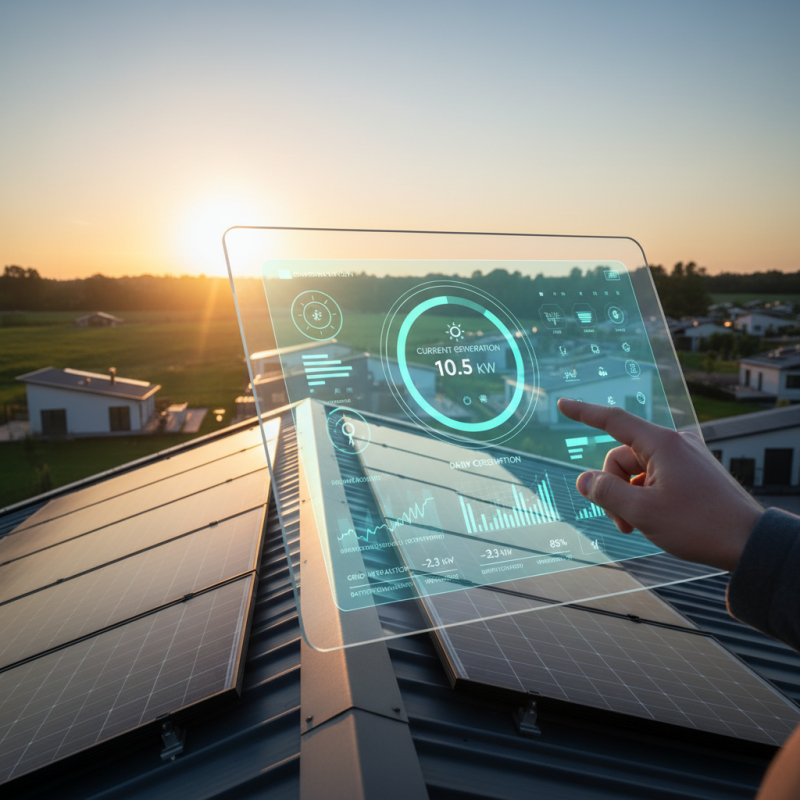
When choosing a solar power monitor, understanding the key features and functions is crucial to meet your energy needs effectively. One of the primary features to consider is real-time monitoring, which allows users to track energy production and consumption on a live basis. This capability enables homeowners to gain insights into their solar system’s efficiency, identify any discrepancies, and make informed decisions about energy usage. Additionally, many monitors offer data visualization tools that present information in user-friendly formats, making it easier to interpret trends and patterns in energy performance.
Another important function of solar power monitors is the ability to provide alerts and notifications. These can inform users of system malfunctions, dips in energy production, or when maintenance is required. Integrating these alerts can help prevent minor issues from escalating into more significant problems, ensuring the longevity and efficiency of your solar energy system. Furthermore, compatibility with smart home systems can enhance the functionality of solar monitors, allowing users to automate their energy consumption based on solar production levels. Choosing a monitor with these essential features will help maximize energy efficiency and provide a clearer understanding of your solar energy landscape in 2025.
Assessing Your Energy Needs: How to Determine the Right Specifications
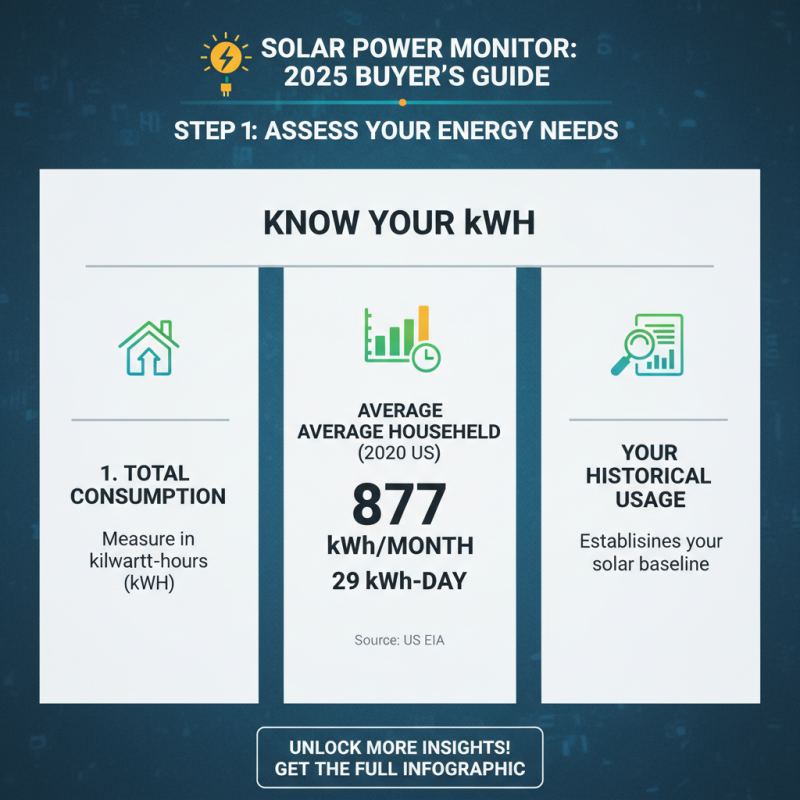
When selecting the best solar power monitor for your energy needs in 2025, understanding your specific energy demands is crucial. The first step is to assess your overall energy consumption, typically measured in kilowatt-hours (kWh). According to the U.S. Energy Information Administration, the average household consumed about 877 kWh per month in 2020, which translates to approximately 29 kWh per day. Analyzing your historical energy usage will provide a baseline for what you require from a solar power monitoring system.
Next, consider the specifications of the solar monitor itself. A quality solar power monitor will not only track energy production but also provide real-time analytics, enabling you to optimize your energy consumption. Look for devices that offer features such as detailed consumption data, historical usage graphs, and alerts for efficiency improvements. Studies from the National Renewable Energy Laboratory highlight that homeowners who actively monitor their energy usage can reduce consumption by as much as 10-20%. Therefore, a monitor that integrates easily with smart home technology and offers mobile access can significantly enhance your energy management strategy while aligning with your specific energy needs.
Comparing Different Types of Solar Power Monitors Available in 2025
When choosing a solar power monitor in 2025, it's essential to understand the different types of devices available on the market to meet specific energy needs. There are generally three primary categories of solar power monitors: basic energy monitors, smart monitors, and integrated solar management systems. Basic energy monitors provide straightforward data on energy production and consumption, making them ideal for users seeking simplicity and ease of use. These devices typically display real-time data and historical trends, allowing homeowners to assess their energy generation and consumption at a glance.
On the other hand, smart monitors utilize advanced technology to offer greater functionality. These devices are often equipped with Wi-Fi connectivity and can be integrated with home automation systems. Smart monitors provide detailed insights into energy usage patterns, allowing users to optimize energy consumption based on real-time data. Moreover, some models feature alerts and notifications to help users manage energy more efficiently. For those looking for comprehensive energy management solutions, integrated solar management systems bring together various components—such as inverters and battery storage—into a single platform, delivering extensive monitoring capabilities and control over both solar production and energy storage.
Ultimately, regardless of the type chosen, it's vital to consider the specific features that will best serve your energy needs. Factors such as ease of installation, user interface, compatibility with existing systems, and the ability to access detailed analytics should all play a significant role in your decision-making process. By understanding these differences, you can select a solar power monitor that not only enhances your energy efficiency but also contributes to a more sustainable lifestyle.
Comparison of Different Types of Solar Power Monitors in 2025
Evaluating User Reviews and Expert Recommendations for Optimal Choice
When selecting the best solar power monitor for your energy needs in 2025, it's crucial to incorporate user reviews and expert recommendations into your decision-making process. According to a recent industry report by the Solar Energy Industries Association (SEIA), 75% of consumers lean towards products with substantial positive feedback. Reading through user experiences can provide valuable insights into the performance, reliability, and customer support of different solar monitors. Users often share real-world data that might not be captured in technical specifications, offering a more comprehensive view of how the product operates under varying conditions.
Expert recommendations can further refine your choices. Industry professionals typically analyze data on accuracy, ease of installation, and integration with energy management systems. A survey conducted by the International Renewable Energy Agency (IRENA) indicated that devices with user-friendly interfaces and advanced analytics features were the most frequently recommended by experts. These functionalities allow users to track energy production and consumption effectively, leading to better energy management.
Tip: Start your research by looking for monitors that have been reviewed extensively across multiple platforms. Pay attention to both the number of reviews and the average rating, which can be indicative of overall user satisfaction.
Tip: Don't overlook the importance of customer support capabilities when choosing a solar power monitor. A responsive and helpful support team can be invaluable for troubleshooting any issues that may arise after purchase.
Budget Considerations: Finding a Solar Power Monitor That Fits Your Wallet
When selecting a solar power monitor, budget considerations are paramount. A 2023 report from the Solar Energy Industries Association (SEIA) indicates that the average cost of solar energy systems has decreased by over 70% since 2010, making solar technology more accessible to homeowners. However, the price of solar power monitors varies significantly based on features, capabilities, and data integration levels. For instance, basic models which offer essential monitoring functionalities can range from $100 to $300, while advanced models with smart features and comprehensive data analysis may cost between $500 and $1,000.
It's crucial to assess your energy consumption patterns and solar system size before making a decision. According to the National Renewable Energy Laboratory (NREL), a typical residential solar array produces between 5,000 to 10,000 kWh per year. Therefore, investing in a monitor that precisely captures this data could ultimately save you money in the long run by optimizing your energy use and identifying inefficiencies. Take into account any available rebates or incentives; many states offer financial assistance for energy monitoring systems, which can significantly offset upfront costs. This not only helps fit the device into your budget but also enhances the overall value of your solar investment.
How to Choose the Best Solar Power Monitor for Your Energy Needs in 2025 - Budget Considerations
| Feature |
Description |
Price Range ($) |
Best For |
| Real-Time Monitoring |
Displays current energy production and usage |
100 - 300 |
Homeowners |
| Data Analytics |
Offers insights on energy savings and efficiency |
250 - 500 |
Eco-conscious users |
| Mobile App Integration |
Access monitoring data from smartphone |
150 - 350 |
Tech-savvy users |
| Alerts & Notifications |
Warns about performance issues or low production |
120 - 250 |
All users |
| Compatibility with Inverters |
Works with various inverter brands/models |
200 - 400 |
Existing solar system owners |