2026 How to Choose the Best Forklift Collision Detection System?
In today's fast-paced industrial environment, ensuring safety is paramount. A reliable Forklift Collision Detection System is essential for preventing accidents in warehouses and factories. These systems significantly reduce the risk of collisions between forklifts and pedestrians or other equipment. But with various models available, choosing the right system can be challenging.
Understanding the features of a Forklift Collision Detection System is vital. Advanced systems use sensors and cameras to detect obstacles in real-time. Some options may offer alerts or automatic braking, enhancing safety further. However, not all systems are created equal. It's crucial to consider the specific needs of your workplace and the potential integration with existing machinery.
Reflect on the trade-offs that come with each choice. Some systems may require extensive installation, while others offer a more straightforward setup. Is a higher price tag indicative of better reliability? Researching industry case studies can shed light on what works best. Evaluating user experiences can help identify the most effective safety measures. Ultimately, while there are many options, the right system can make a significant difference in workplace safety.
Understanding Forklift Collision Detection Systems
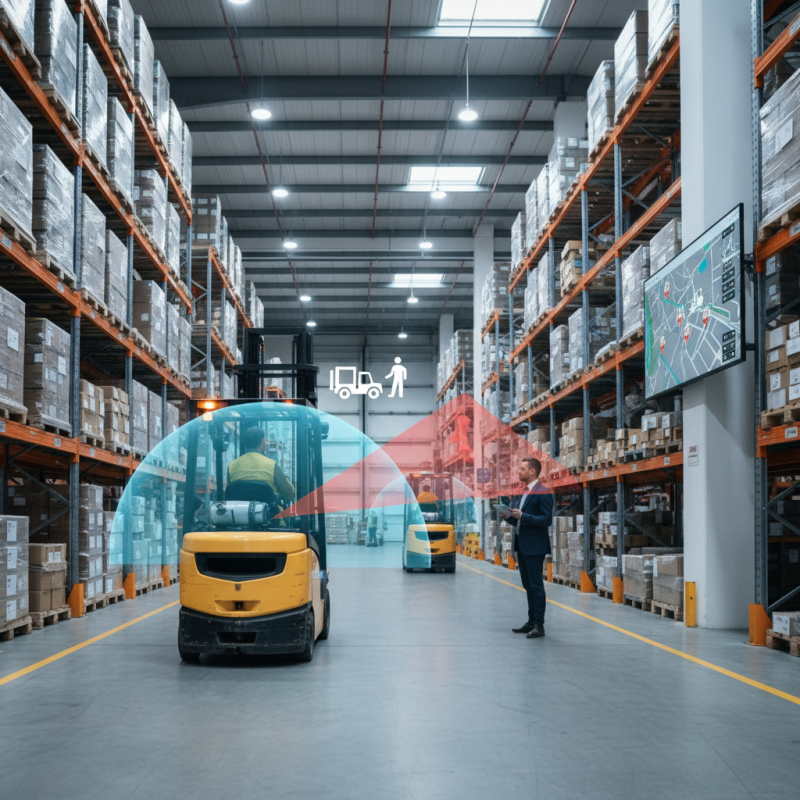
Forklift collision detection systems are essential for maintaining safety in work environments. These systems use technology to prevent accidents. They often include cameras, sensors, and alarms to monitor surroundings. The goal is to protect both operators and pedestrians in busy settings. Efficiency is paramount, so these systems must respond quickly to avoid collisions.
Understanding the different types of collision detection systems is crucial. Some rely on physical barriers, while others use advanced sensors. Each type has its merits and limitations. For example, sensors might miss narrow spaces, potentially leading to accidents. Regular testing and maintenance enhance their effectiveness. Operators should also receive training to understand the system's alerts.
Incorporating a reliable system requires thorough evaluation. Consider the layout of the workspace. Complex environments may require more sophisticated solutions. It's essential to assess the frequency of pedestrian traffic and forklift routes. Sometimes, even high-tech systems can fail. Regular feedback sessions with operators can highlight issues and improve safety measures. Investing time in understanding these systems pays off in the long run, boosting overall safety.
2026 How to Choose the Best Forklift Collision Detection System? - Understanding Forklift Collision Detection Systems
| Detection Technology | Range | Response Time | Accuracy | Cost |
| Laser-based Systems | Up to 30 meters | < 100 ms | 95% | $5,000 - $10,000 |
| Ultrasonic Systems | Up to 20 meters | < 200 ms | 90% | $2,000 - $5,000 |
| Radar-based Systems | Up to 50 meters | < 150 ms | 98% | $8,000 - $15,000 |
| Camera-based Systems | Up to 25 meters | < 120 ms | 92% | $4,000 - $9,000 |
| Infrared Systems | Up to 15 meters | < 250 ms | 85% | $1,000 - $3,000 |
Key Features to Look for in Collision Detection Systems
When selecting a forklift collision detection system, specific features are crucial for safety and efficiency. One key feature is real-time detection. A system should provide immediate alerts to operators when obstacles are nearby. This offers vital reaction time and can prevent accidents. Additionally, many systems utilize sensors that track both the forklift and its environment, allowing for greater accuracy.
Another important aspect is integration capabilities. A system should seamlessly integrate with existing warehouse management software. This enhances workflow and provides data analysis for ongoing safety improvements. User-friendly interfaces are also necessary. If operators struggle to understand the system, effectiveness diminishes. Easy-to-read alerts and instructions reduce the risk of errors.
Finally, consider the system's scalability. As your operations grow, the detection system should adapt to new challenges. This flexibility ensures long-term investment and reliability. It’s essential to research various technologies, as not every feature will suit your specific needs. Reflect on past experiences with safety systems to guide your choices. Balancing advanced technology with practical usability is often a complex task.
Assessing the Technology behind Collision Detection Solutions
When selecting a forklift collision detection system, understanding the technology is key. Many solutions use sensors like LIDAR and cameras. According to industry reports, these systems can reduce accidents by up to 25%. This statistic highlights the importance of investing in reliable technology to enhance safety.
Consider how different systems communicate. Some use real-time alerts to notify operators of potential collisions. A survey by Safety Management Group indicated that 40% of accidents occur due to lack of awareness. Investing in advanced awareness systems can directly address this issue.
**Tip**: Always assess the range and accuracy of sensors. Accuracy can differ among systems, and this can lead to gaps in detection. Examine case studies or ask for demonstrations before making a choice.
Evaluate system integration. A seamless integration with existing warehouse management systems can maximize efficiency. The more harmonized the technology, the greater the reduction in accidents and operational disruptions. Research also suggests that user-friendly systems lead to higher compliance in usage.
**Tip**: Conduct employee training to enhance understanding. Even the best systems require a knowledgeable operator. Fostering a culture of safety contributes to overall effectiveness.
Evaluating Integration with Existing Forklift Systems
When evaluating a collision detection system for forklifts, integration is key. Seamless compatibility with existing forklift systems can enhance operational safety. Industry reports indicate that nearly 30% of workplace accidents involve forklifts, emphasizing the urgent need for effective detection systems.
Choosing a system that interfaces well with current technologies is vital. Many facilities rely on legacy systems that may not easily accommodate new technology. An effective collision detection system should integrate with existing software and hardware, ensuring real-time updates on forklift locations. According to a recent study, companies that effectively integrate new safety technologies can reduce accidents by up to 45%.
However, industry professionals encounter challenges. Not all systems offer the same level of adaptability. Moreover, some require significant modifications to existing hardware, which can be costly. A lack of standardized protocols further complicates matters. It’s crucial to analyze the flexibility of the chosen system and its potential impact on ongoing operations. Exploring various integration options will help ensure a safer working environment.
Considerations for Safety Regulations and Compliance
When selecting a forklift collision detection system, safety regulations play a crucial role. Compliance with industry standards is non-negotiable. In the United States, the Occupational Safety and Health Administration (OSHA) sets forth guidelines that outline necessary safety measures in material handling. According to a 2022 report by the National Safety Council, over 70% of forklift incidents occur due to preventable conditions. This statistic underscores the urgency of adhering to these regulations.
Choosing a system that complies with ANSI/ITSDF B56 standards is vital. These standards outline performance criteria for forklift safety devices. Systems that meet or exceed these standards demonstrate a commitment to safety. Furthermore, regular evaluations of these systems should be conducted. This allows for ongoing compliance and adaptability to changing regulations. A 2023 study published in the Journal of Safety Research indicates that organizations that actively monitor compliance can reduce accident rates by up to 40%.
The integration of advanced technologies such as sensors and cameras enhances safety measures. However, not every system meets regulatory requirements. Some may offer features that sound appealing but could lack vital compliance. Therefore, it is essential to critically assess these technologies. A thorough review of documentation and certifications can help prevent costly mistakes. Ignoring safety protocols can lead to severe consequences, including increased liability and risk to workers' wellbeing.